How to Apply for a Tibet Travel Permit: Step-by-Step Checklist
Follow a practical Tibet Travel Permit application process covering documents, route confirmation, timing, entry cities and original delivery.
TibetGo Team
Travel Expert
Applying for a Tibet Travel Permit is not the same as downloading a form and submitting it on your own. For most international visitors, the application is connected to an organized itinerary and is handled through a qualified local Tibet travel operator.
The operator needs more than your passport. The route, first entry city, Chinese visa or entry arrangement, transport, accommodation and any additional permissions for Everest Base Camp, Mount Kailash or a border area may all form part of the application file.
This guide explains the process in the order a traveler should follow it. The details are based on the operational reference provided to TibetGo and the practical questions covered by professional Tibet travel operators. Requirements can change, so treat the steps as a planning framework and confirm the current checklist for your own passport and travel dates.
Step 1: Decide what kind of Tibet trip you are planning
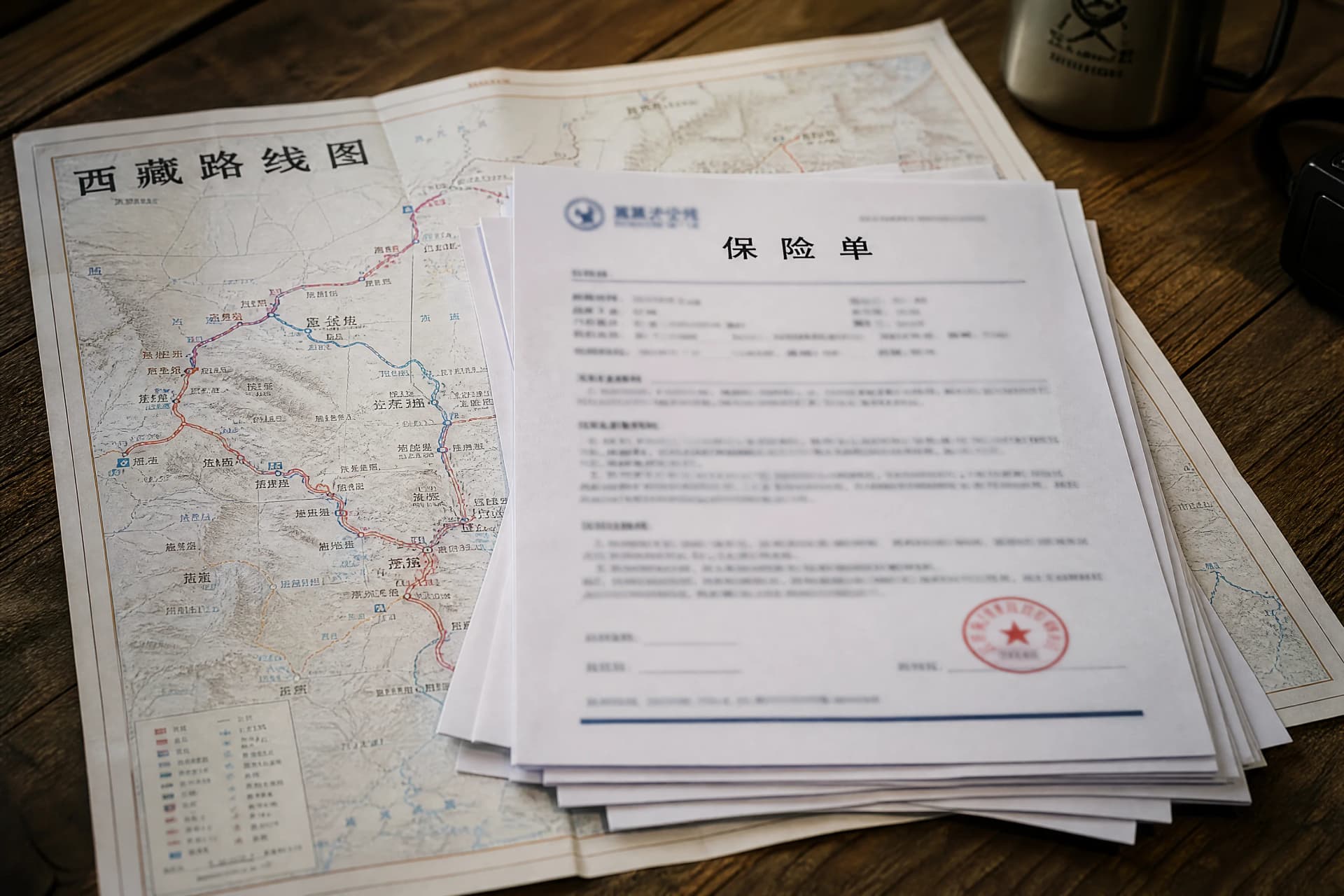
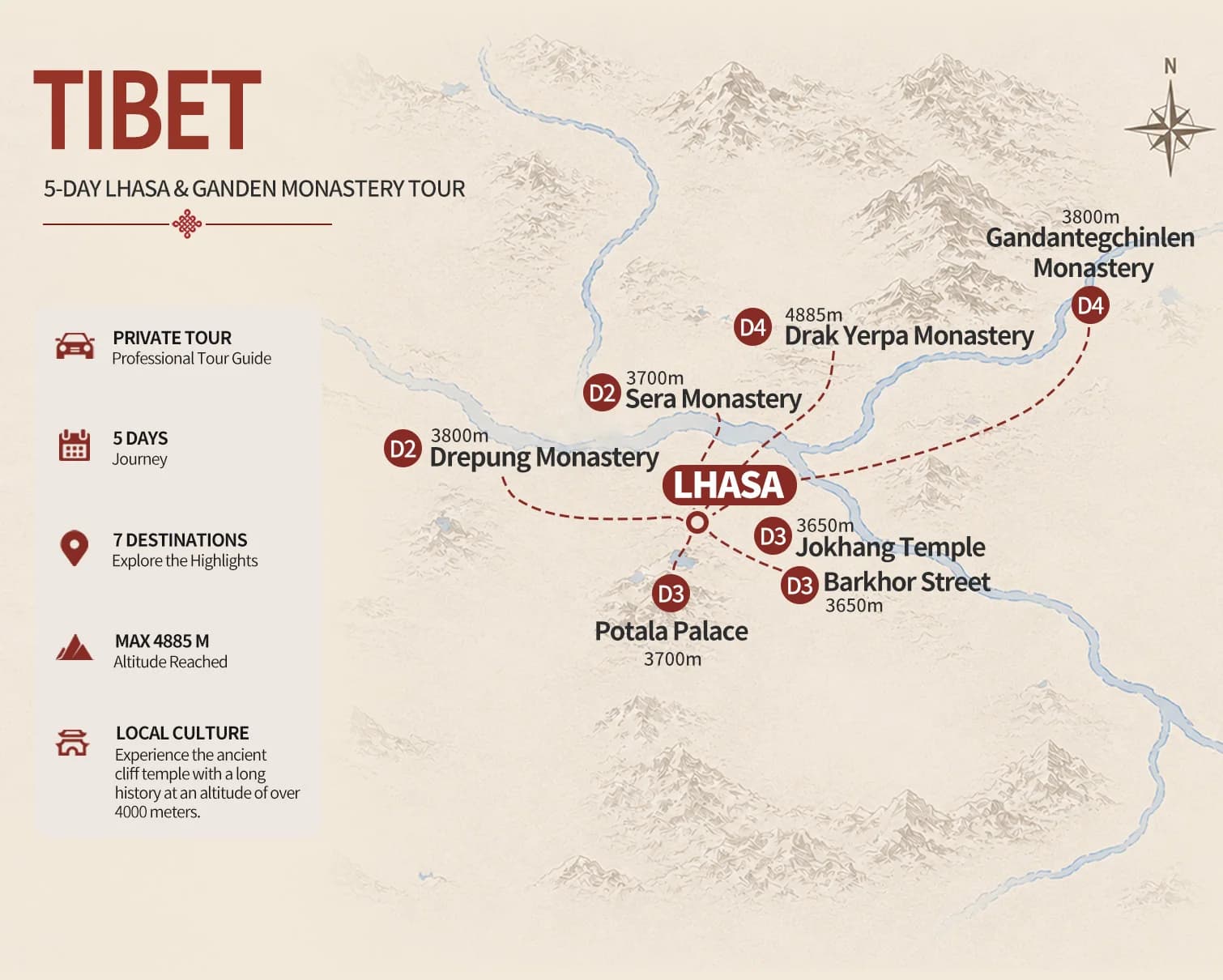
The permit process begins with the route. A four-day Lhasa city visit, an eight-day Everest Base Camp journey and a fifteen-day Mount Kailash itinerary do not require the same planning time or route permissions.
Before sending documents, decide:
how many days you have;
whether this is your first high-altitude trip;
which city you expect to enter Tibet through;
whether you want Lhasa, Yamdrok Lake, Shigatse, Everest, Namtso or Kailash;
whether the trip will end in Nepal;
whether you prefer a private or small-group tour.
You do not need a perfect itinerary at this stage. You do need enough information for the operator to identify obvious permit, route and altitude issues.
Step 2: Send a complete first inquiry
A useful first inquiry should include:
nationality and passport type;
current country of residence;
passport expiry date;
Chinese visa or proposed entry arrangement;
preferred travel dates;
proposed first Tibet entry city;
destinations and route ideas;
onward travel after Tibet;
number of travelers;
mobility, dietary or altitude concerns.
Mention whether you have already purchased flights or train tickets. If you have, send the dates and route. The operator needs to check whether those bookings fit the application rather than discovering a conflict later.
Step 3: Confirm whether your identity and visa documents are suitable
Foreign passport holders
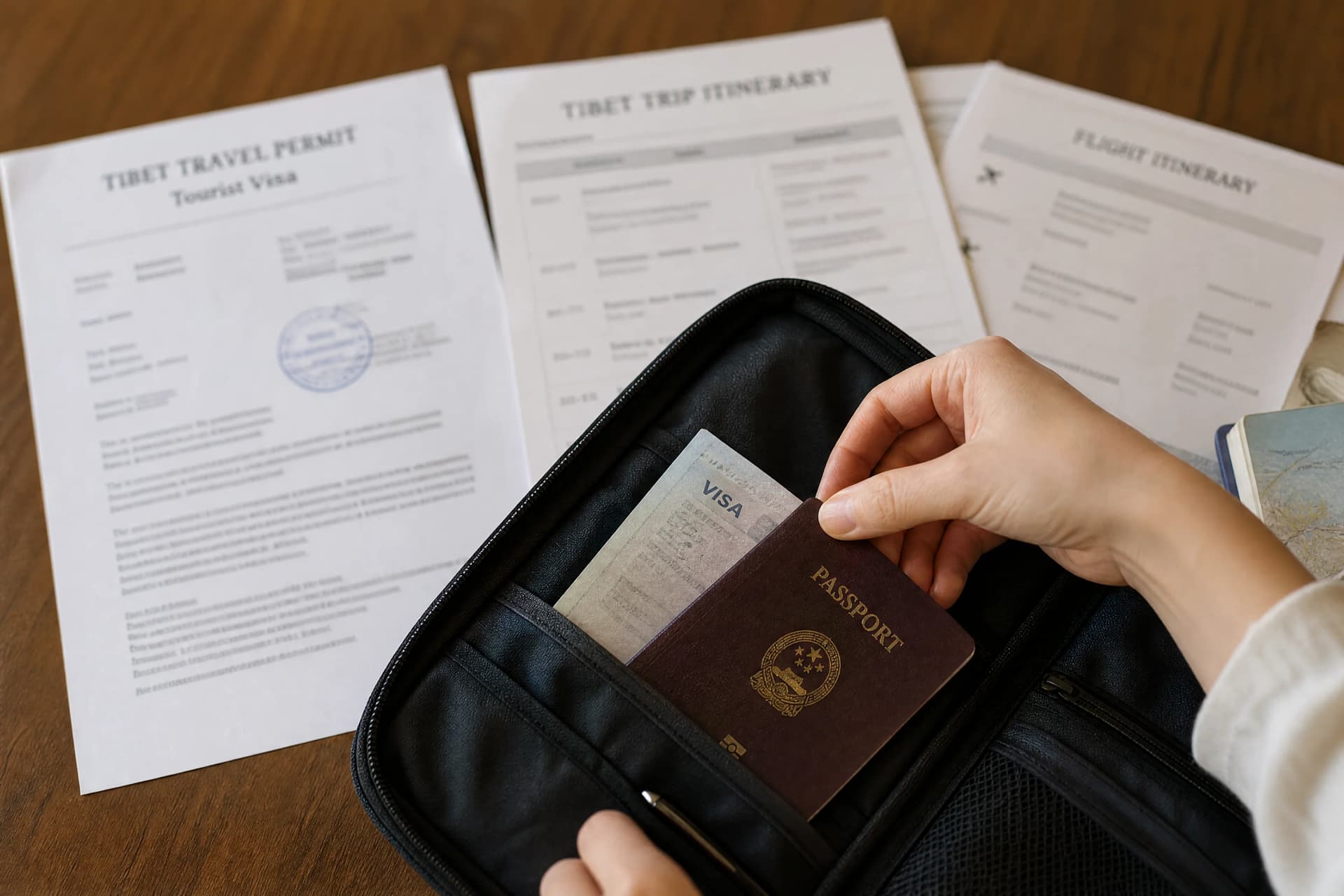
Prepare a clear colour scan of the passport information page and the valid Chinese visa or applicable entry document. The internal operational reference recommends that the passport remain valid for at least six months after the trip, but this should be confirmed against the current process before publication.
Non-tourist visa holders
Travelers holding work, study, business, family or private-affairs visas may need additional evidence from an employer, school, host or family member in mainland China. Ask which document is required and whether an official stamp, contact number or other verification is needed.
Visa-free travelers
If your nationality is eligible for current visa-free entry to China, tell the operator which arrangement you plan to use. Visa-free entry does not remove the Tibet permit and organized-route requirements.
Travelers from Taiwan
The internal reference describes a separate Taiwan traveler checklist, which may include the Taiwan Compatriot Permit, residence or employment information, a mobile number and a signed travel contract. Confirm the current list for the traveler’s residence and circumstances.
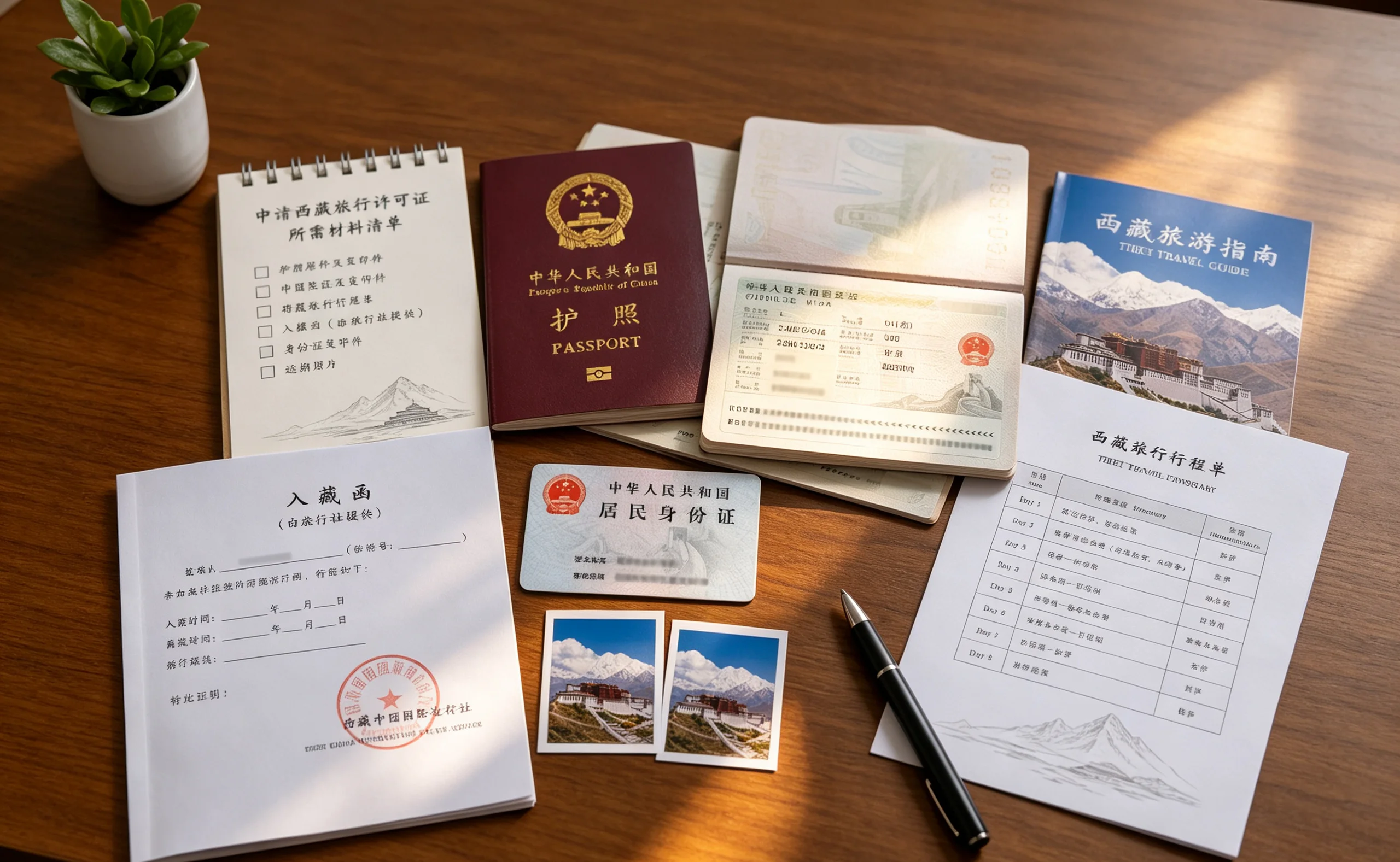
Step 4: Fix the first Tibet entry city
The first entry city is not always a flexible detail. It may be connected to the permit application, transport and document delivery.
The internal reference states that the first Tibet entry city, such as Lhasa or Nyingchi, should be confirmed at the application stage and may not be changeable after submission. Treat that as a conservative planning rule unless the operator confirms otherwise in writing.
Do not change a flight or train because a cheaper option appears online without checking first. A new entry city can affect the application file, hotel sequence and vehicle plan.
Step 5: Review the full service quotation
Do not pay for “permit service” without understanding the travel arrangement connected to it. Ask the operator to show:
permit handling;
guide service;
private or shared vehicle;
hotels and room category;
meals and entrance tickets;
oxygen support where applicable;
border or area permits;
original-document delivery;
payment schedule;
cancellation and non-refundable terms.
For a Mount Kailash or Tibet–Nepal route, ask who handles remote accommodation, porter or yak arrangements, border transfers and emergency changes.
Step 6: Submit clear and consistent documents
Low-quality scans and inconsistent information are common sources of delay. Check:
full name spelling;
passport number;
date of birth;
passport expiry;
visa validity;
entry city;
travel dates;
route order.
Send documents through a secure channel. Ask how they are stored and who has access. Keep a copy of everything you submit.
If a passport or visa is renewed after submission, tell the operator immediately. Do not wait until the airport or railway station.
Step 7: Confirm the application timeline
The internal planning reference recommends starting many foreign visitor applications about 15–20 working days before travel and some Taiwan traveler applications about 30 working days before travel. These are planning windows, not guaranteed processing times.
Start earlier when:
you still need to obtain a Chinese visa;
the route includes Everest, Kailash, Ali or a border area;
you plan to travel during a busy period;
an official China visa invitation is required;
a special administrative period may affect processing.
Urgent applications may occasionally be possible, but a short timeline gives less room to correct documents or change a route.
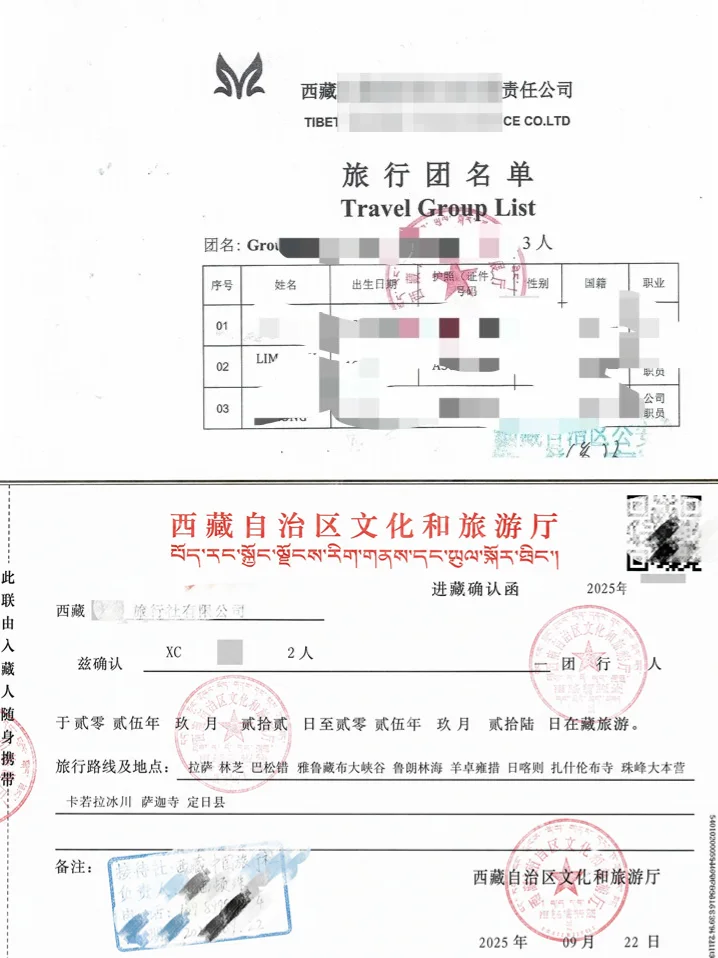
Tibet Permit
Step 8: Check additional route permissions
Everest Base Camp
An Everest route may require additional border or area permissions and a prescribed road sequence. Confirm the current documents and route before promoting or booking the trip.
Mount Kailash and Ali
Ask whether the application covers the Kailash kora, Lake Manasarovar, Ali and remote border sections. The documents may need to be prepared together or in separate stages.
Tibet–Nepal overland
Confirm the Kyirong border arrangement, China exit, Nepal entry, transfer responsibility, luggage procedure and delay contingency plan.
Remote destinations
Do not add a remote valley, glacier or wetland because it appeared in an old itinerary. Ask whether foreign visitors are currently allowed and which authority must confirm the route.
Step 9: Receive the permit and follow delivery instructions
You may be required to present the original permit when purchasing or using air or rail travel services to Tibet. As specific procedures may vary, please be sure to clarify the following points:
Whether the original document is mandatory (or if a color copy suffices);
At which stage a copy may be used (e.g., for boarding the flight or the train);
Where the original document will be delivered (usually via courier from the travel agency or handling agent to the traveler's hotel at the point of departure or a designated address);
Who bears the delivery costs (if the travel agency or agent arranges the courier, the traveler typically covers the fee);
Estimated delivery time;
What to do in the event of a delay.
Do not assume that successfully purchasing tickets online means all necessary permit formalities have been completed.
Step 10: Travel according to the approved plan
Once the application is complete, keep the passport, visa, permit, entry city and itinerary consistent. Contact the operator before changing:
hotels;
travel dates;
transport;
route order;
restricted-area visits.
A small change can require the document and operating plan to be checked again.
Application mistakes to avoid
Do not book non-refundable travel arrangements before confirming eligibility
Confirm the route and document process first.
Do not submit cropped or blurry scans
Use full-page colour scans with readable text.
Do Not Omit Information Regarding Non-Tourist Visas
Visa category can change the supporting-document checklist.
Do Not Change Your Port of Entry After Submitting Your Application
Ask for written approval before changing transport.
Do not add itineraries involving Mount Everest, Mount Kailash, or border routes later on
Additional permissions and more processing time may be required.
Do not assume that an expedited application will automatically be approved.
Fast processing may be possible in some cases, but it is not a reliable planning method.
What happens if the application cannot proceed?
Ask for the policy before paying. The internal reference describes strict conditions under which submitted permit-related fees may be non-refundable, non-changeable or non-transferable. Incorrect documents, false information, passport changes and traveler cancellation can also create unrecoverable costs.
Ask what happens when a problem is caused by the traveler, the operator or a change in authority requirements.
Your first inquiry checklist
Copy this list into your message to TibetGo:
1. Nationality and passport type
2. Country of residence
3. Passport expiry date
4. Visa or China entry arrangement
5. Preferred dates
6. First entry city
7. Intended destinations
8. Final departure city or Nepal continuation
9. Number of travelers
10. Private or group preference
11. Mobility, dietary or altitude concerns
12. Transport already purchased
Use the [custom Tibet tour page](/custom-tour) or [contact page](/contact). You can also review the [Tibet tours](/tours) and the main Tibet Travel Permit guide before choosing a route.
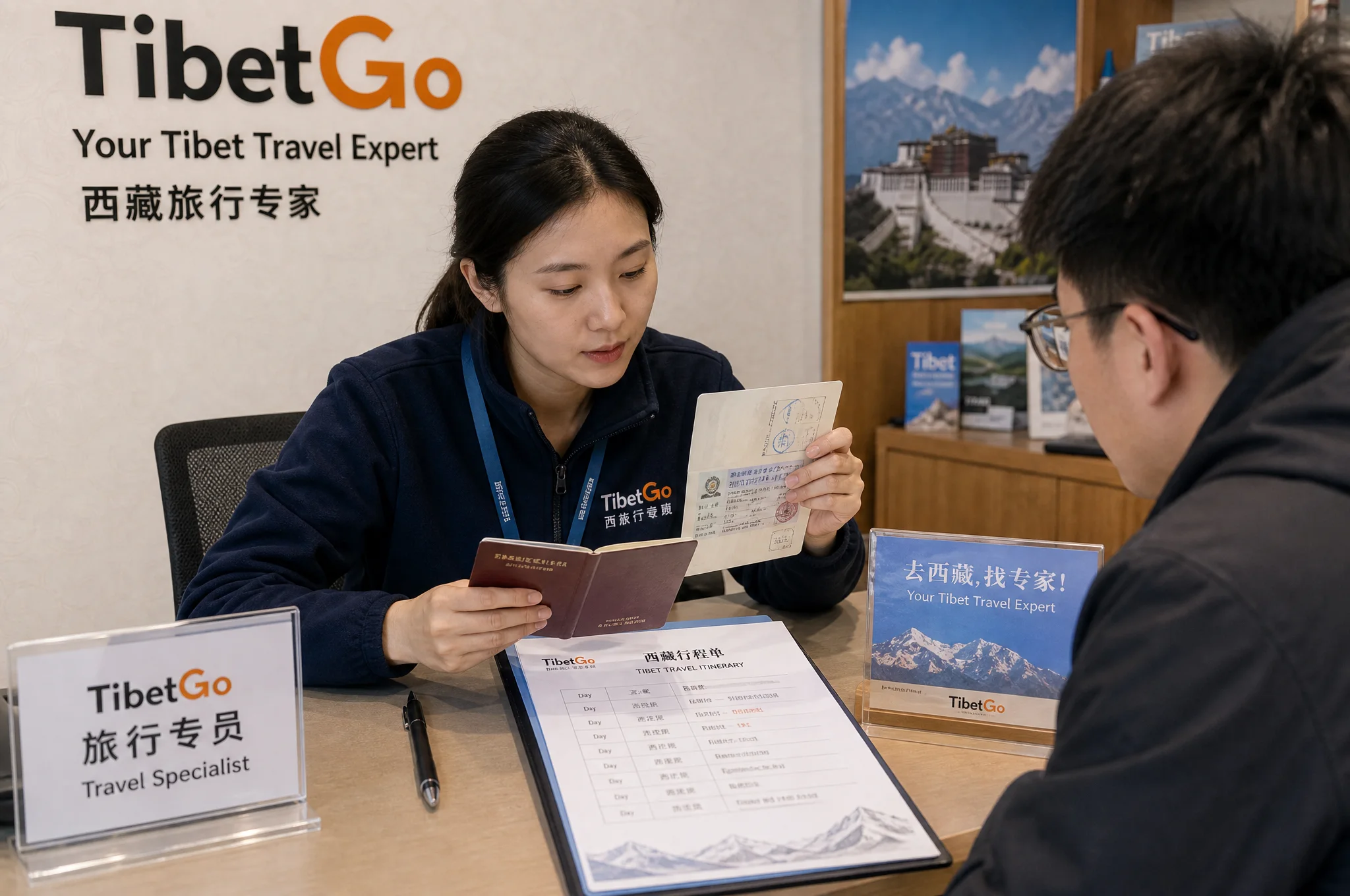
Final advice
The easiest permit application is usually the one that starts before the traveler locks in the wrong route. Decide the trip type, send accurate documents, confirm the first entry city, submit early and keep the approved plan consistent.
If something changes, tell the operator immediately. Silence rarely makes a document issue easier to fix.
> Travel notice: Permit, visa, transport, border and route requirements may change. This guide is for planning information and is not legal advice. Confirm the current process for your passport and itinerary before travel.
Recommended articles on Tibet travel permits:
Tibet Travel Permit: A Practical Guide to Eligibility, Documents and Entry Planning