What Should Travel Insurance Cover for Tibet?
Use this Tibet travel insurance checklist to review altitude, medical care, evacuation, cancellation, trekking and route exclusions.
TibetGo Team
Travel Expert
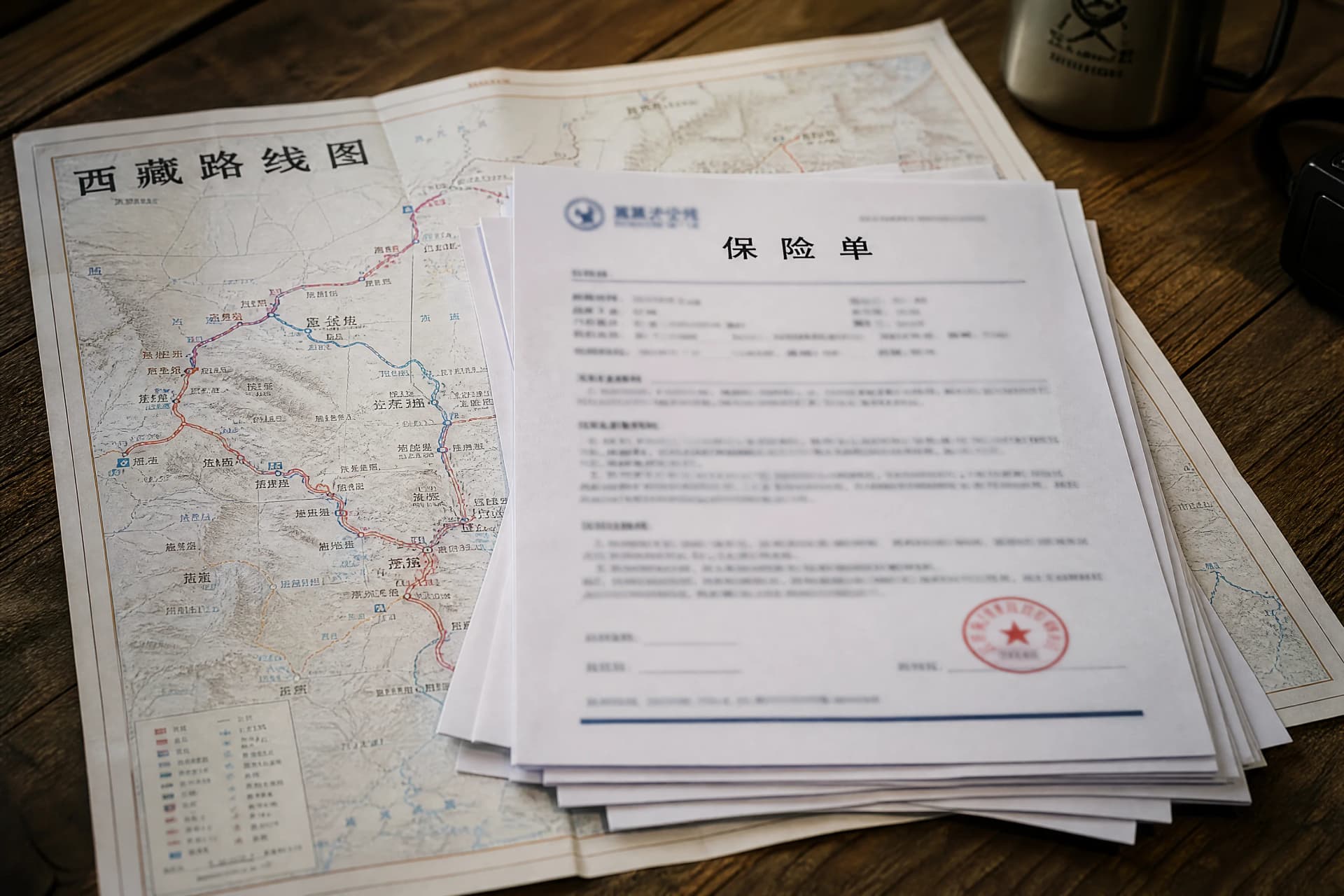
Travel insurance for Tibet deserves more attention than a standard box checked during flight booking. A policy that works for a city break may exclude the altitude, remote road travel, trekking or evacuation needs of an Everest Base Camp or Mount Kailash itinerary.
The right policy depends on the actual route. A four-day Lhasa trip, an eight-day Everest journey and a three-day Kailash kora do not create the same risks. Before buying cover, check the maximum altitude, activities, remote-area exclusions, medical assistance and cancellation terms against your itinerary.
This guide helps you identify the questions to ask. It is not insurance, legal or medical advice. Read the full policy wording and discuss uncertain points with a qualified insurer or adviser.
Why Tibet needs a route-specific insurance check
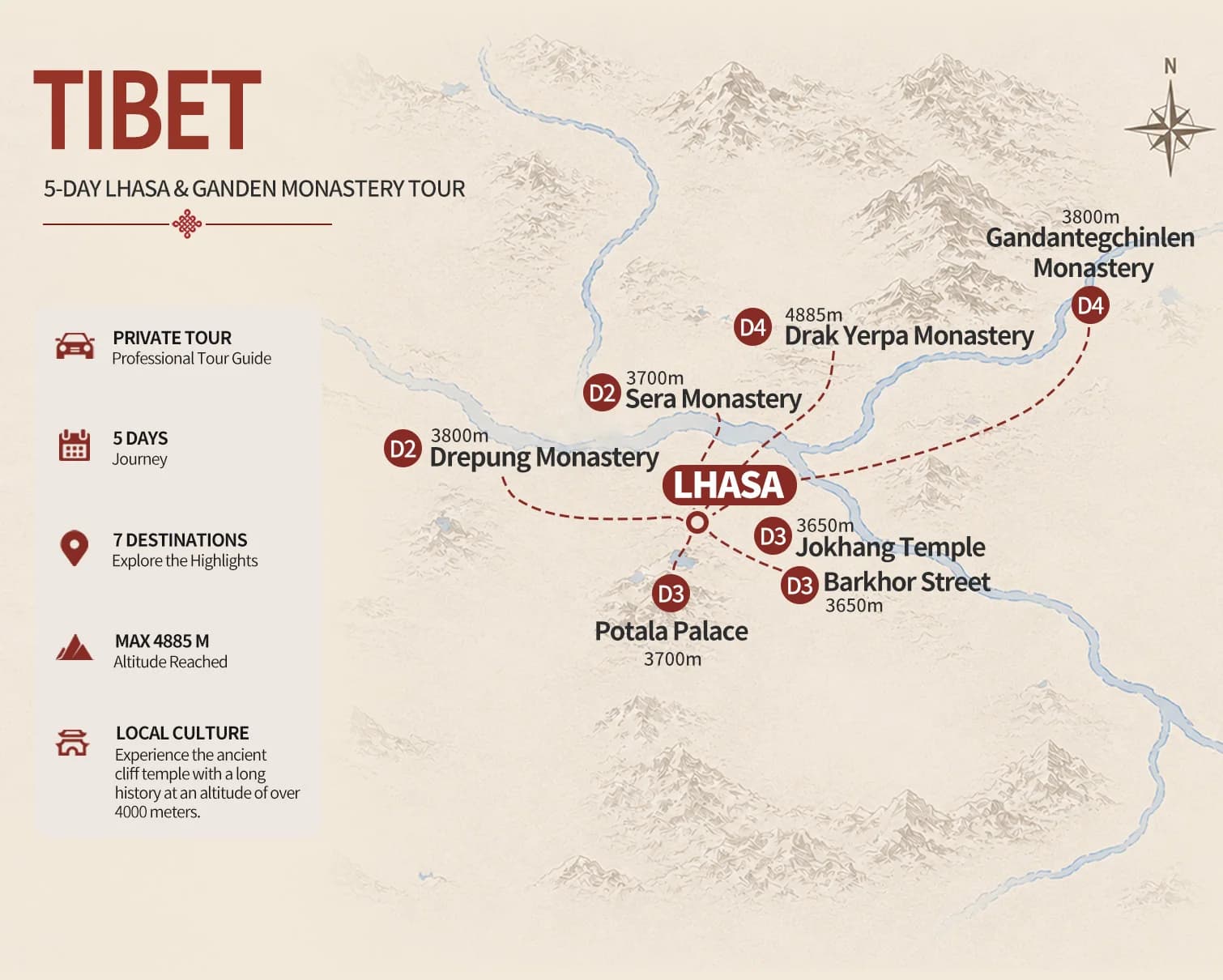
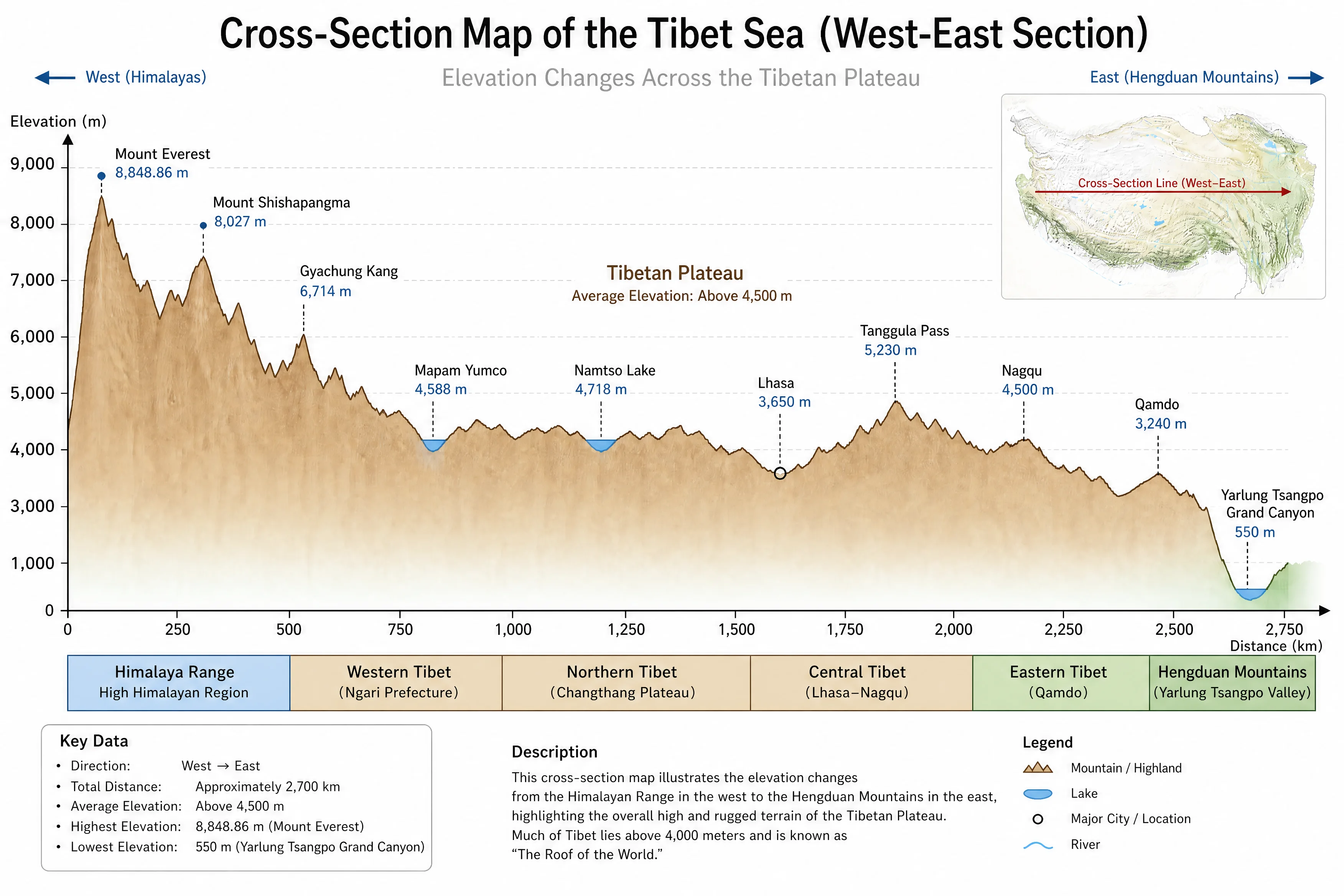
Lhasa is already at high altitude. Everest Base Camp, Namtso, Drolma La and many overland passes are higher. Medical facilities become more limited on remote sections, weather can change road conditions and an itinerary may depend on permits or border access.
Your policy should be reviewed for:
the highest altitude reached and slept at;
trekking, pilgrimage or cycling activities;
remote-road and border travel;
emergency medical treatment;
evacuation and repatriation;
trip cancellation and interruption;
delayed or changed routes;
baggage and document loss;
pre-existing medical conditions.
Do not rely on a marketing summary that says “adventure travel included.” Check the definitions and exclusions.
1. Check the maximum covered altitude
Many policies set an altitude limit. Some distinguish between sightseeing by vehicle and trekking on foot. Others exclude activities above a stated elevation even when no technical climbing is involved.
Compare the policy with your itinerary’s highest points:
Lhasa and central Tibet sightseeing;
high passes between Lhasa and Shigatse;
Everest Base Camp or the Everest region;
Namtso and northern Tibet;
Mount Kailash and Drolma La Pass; and
remote Ali or border routes.
Ask the insurer whether the limit applies to the highest point visited, the sleeping altitude, the trekking altitude or all three.
How to Review:
In the "Exclusions" or "Negations" clause, look for descriptions of limitations regarding "altitude," "mountain climbing," and "high-altitude trekking."
In the "Coverage" or "High-Risk Sports" definition, confirm whether the highest altitude you plan to reach is covered.
2. Trekking and Mount Kailash kora
The definitions of "hiking" and "cycling" differ greatly in insurance, and you must confirm whether your specific activity is covered by insurance.
The Mount Kailash kora is a multi-day high-altitude walk. It is not technical climbing, but it is physically demanding and reaches a very high pass. A standard policy may exclude trekking above a specified altitude or require an activity extension.
Check whether the policy covers:
the kora’s maximum altitude;
non-technical trekking;
porter or yak arrangements;
trip interruption during the trek;
evacuation from the route;
lost or delayed trekking equipment.
If the policy wording is unclear, obtain written confirmation rather than relying on a phone conversation.
Exclusions: Be wary of clauses that exclude compensation for "participation in any hiking trails not certified by the local tourism authority." Also, ensure the activity is "for tourism purposes," not competitive or professional.
3. Everest Base Camp and remote overland routes
This directly affects the speed and capability of emergency response.
An Everest trip may involve high sleeping altitude, long driving days, cold nights and basic accommodation. Tibet–Nepal and Ali routes add border or remote-road logistics.
Ask whether coverage changes when:
the trip reaches Everest Base Camp;
the route includes a tent guesthouse or basic lodging;
the road closes and the itinerary is rerouted;
the border transfer is delayed;
the traveler misses an international connection;
a permit or route restriction prevents the planned journey.
Some policies cover medical cancellation but not administrative or permit-related changes. Read those definitions before paying for non-refundable services.
4. Medical treatment and emergency assistance
A useful policy should explain what happens if you need medical assessment, hospital treatment or a route change because of illness. Check:
emergency medical expense limits;
whether high-altitude illness is covered;
ambulance or vehicle transfer;
hospital choice and payment process;
24-hour assistance contact;
translation or coordination support;
whether the insurer pays directly or reimburses later.
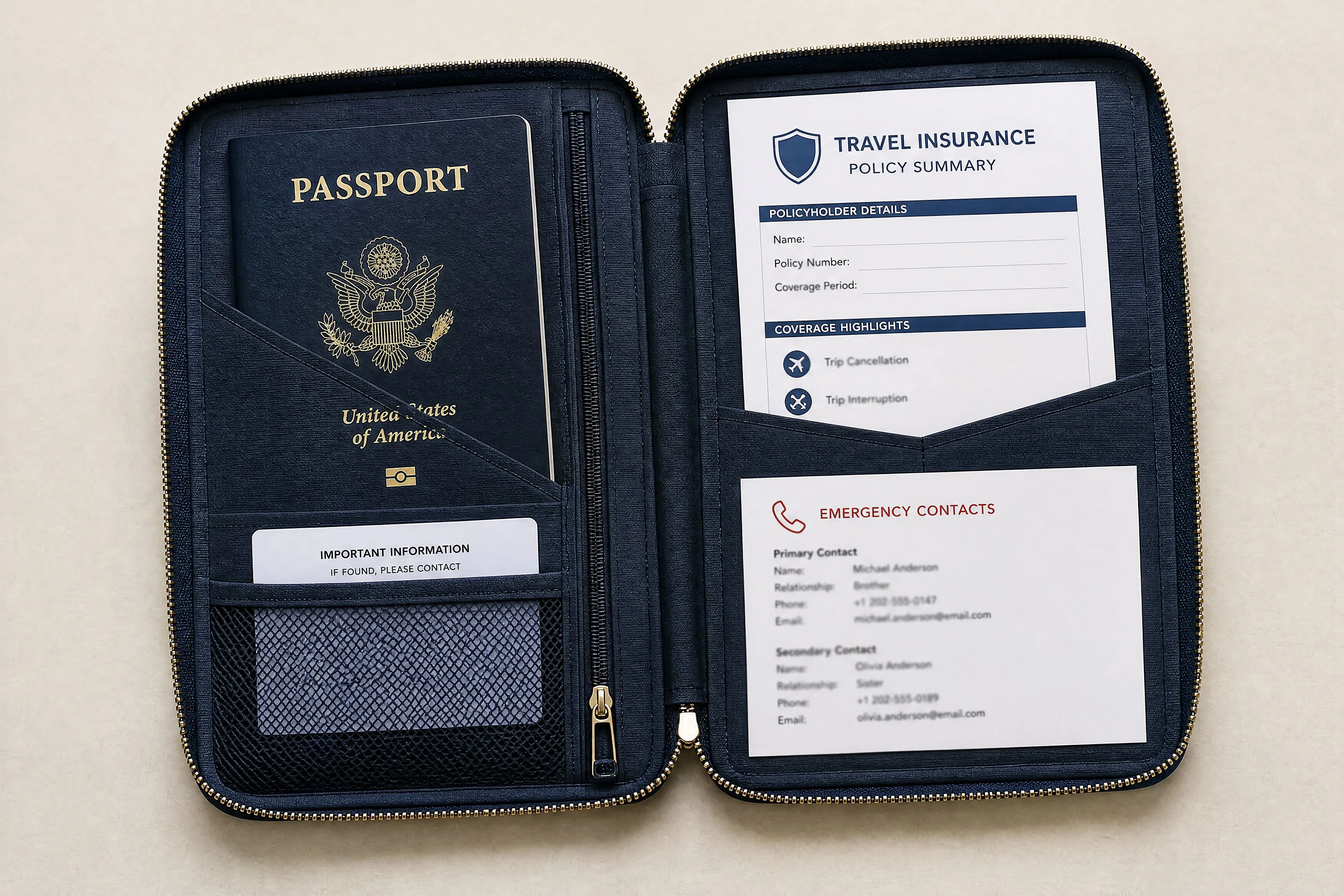
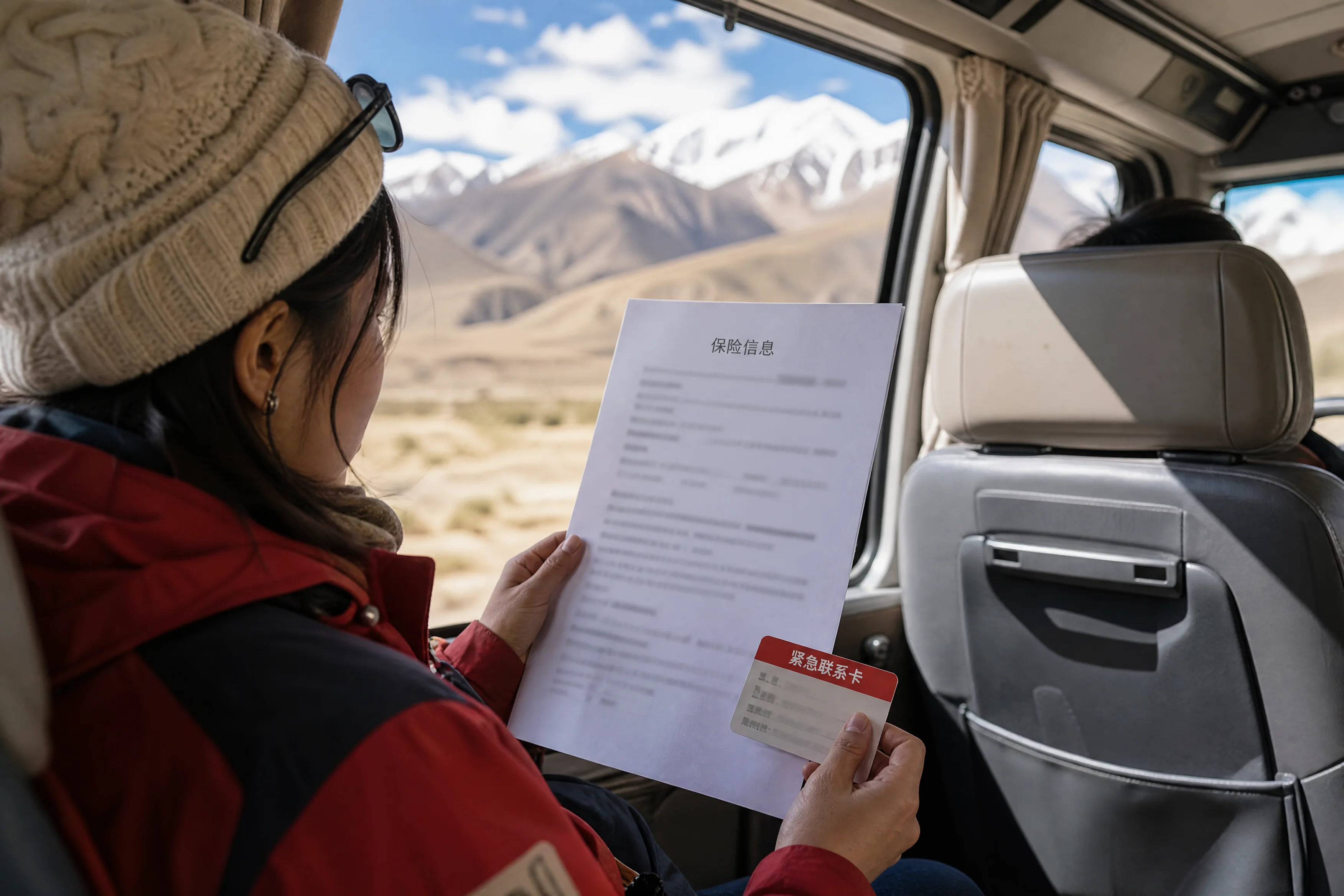
Keep the assistance phone number and policy number where you can reach them without internet access. Give a copy to a travel companion if appropriate.
5. Evacuation and repatriation
“Medical cover” does not always include evacuation from a remote area. On a western Tibet or Everest route, the nearest suitable medical facility may be many hours away.
Ask whether the policy covers:
evacuation by road;
medical transfer between cities;
repatriation to your home country;
an accompanying person;
additional accommodation after treatment;
transport changes recommended by a doctor or assistance company.
Do not assume that helicopter evacuation is available or appropriate on every Tibet route. The practical response may involve a vehicle descent, hospital transfer or route interruption.
6. Trip Cancellation/Interruption
When purchasing insurance, please carefully confirm the following to ensure coverage for potential changes during your Tibet trip:
Cancellation coverage generally only applies to the stated reasons for cancellation. Common reasons for coverage include sudden illness, injury, or certain family emergencies. Visa refusal, permit delays, fear of traveling, change of mind, or route closures may not be covered unless otherwise specified in the policy.
Interruptions to your Tibet trip may involve domestic flights, long-distance trains, high-altitude roads, and international transit. Delays on road sections or at border crossings may affect bookings for subsequent trips.
You may need coverage for the following:
Illness or injury before departure
Serious illness or death of a family member
Major flight disruptions
Other covered reasons that prevent you from traveling or force you to shorten your trip
This is especially important for longer and more expensive trips like the Mount Everest Base Camp tour or the Kailash pilgrimage.
7. delayed or changed routes
Insurance policies often distinguish between events outside the traveler’s control and problems caused by incomplete documents or personal changes.
Check whether the policy excludes:
visa or permit refusal;
late document submission;
incorrect passport information;
a traveler changing the entry city;
an authority closing a destination;
border restrictions;
cancellation by the tour operator.
The operator’s refund policy and the insurer’s coverage are separate. A non-refundable charge does not automatically become an insured loss.
8. Baggage, passport and permit documents
Passport or baggage loss can be more disruptive on a permit-linked itinerary than on an ordinary city trip. Review cover for:
passport replacement;
emergency travel documents;
delayed baggage;
lost cameras or electronics;
medication in checked luggage;
the cost of changing transport because documents are missing.
Carry passport, permit instructions, medication and essential clothing in hand luggage where appropriate. Store secure digital copies separately.
9.Pre-existing medical conditions.
If you have a heart, lung, blood-pressure or other relevant condition, read the pre-existing-condition section carefully. Some policies exclude the condition entirely, while others require a declaration, medical assessment or additional premium.
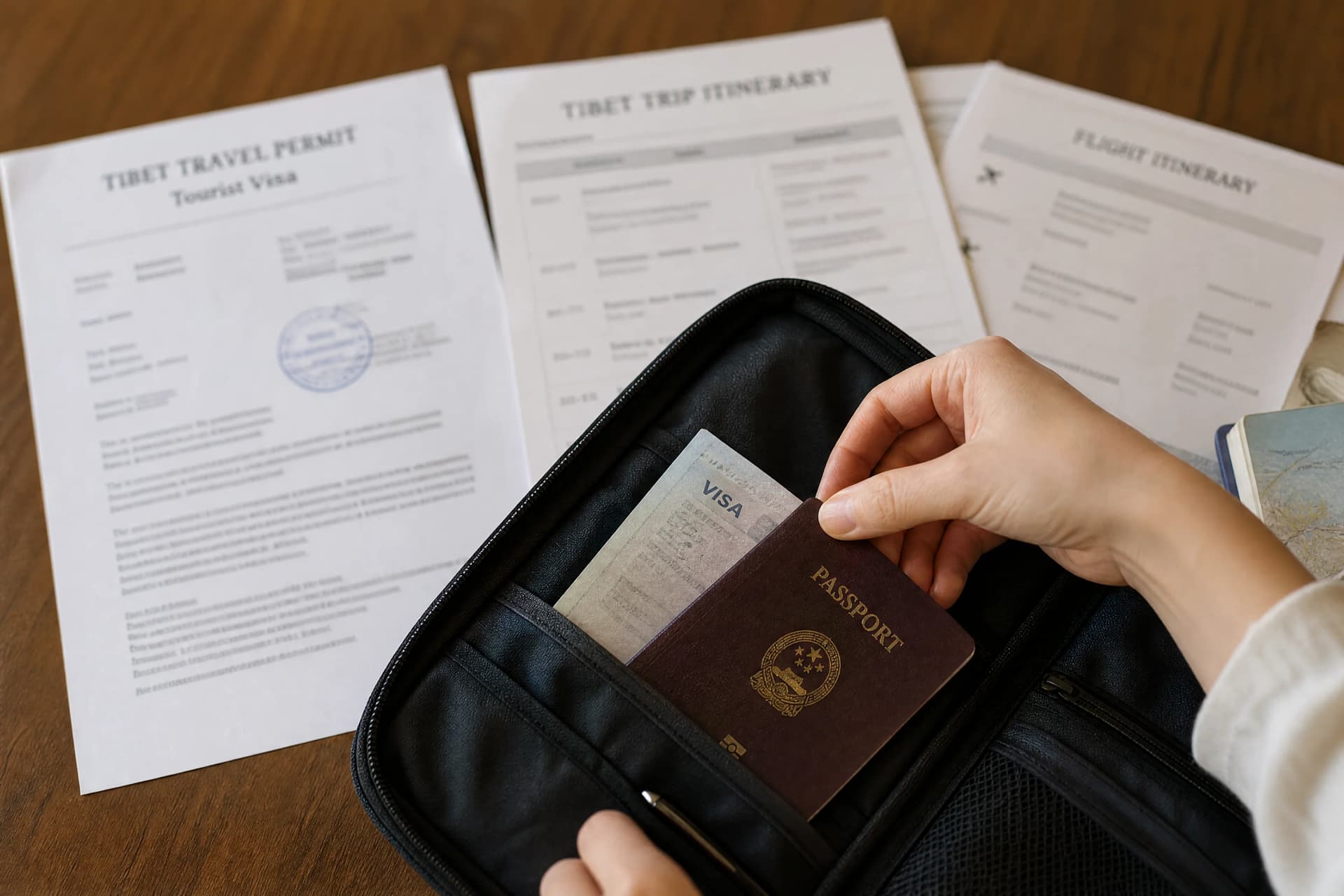
The internal permit reference supplied to TibetGo also describes additional health documents for some older travelers. Those operating requirements are separate from insurance coverage. A medical report requested by an operator does not guarantee that an insurer will cover the condition.
Speak with a qualified medical professional before high-altitude travel. Tell the insurer the route and maximum altitude accurately.
Activities that may need extra cover
Tell the insurer if the trip includes:
cycling;
horse or yak-supported travel;
photography equipment of high value;
winter travel;
remote camping;
a multi-country Tibet, Nepal and Bhutan itinerary.
Do not hide an activity because it increases the premium. An undeclared excluded activity can affect a claim.
Questions to ask an insurer
1. What is the highest covered altitude?
2. Does the policy cover sightseeing by vehicle at Everest Base Camp?
3. Does it cover the Mount Kailash kora?
4. Is high-altitude illness covered?
5. What evacuation methods are covered?
6. Are pre-existing conditions excluded?
7. Does cancellation cover permit or visa problems?
8. Are border or road closures covered?
9. What documentation is needed for a claim?
10. Is written pre-approval required for treatment or evacuation?
Ask for written answers when the policy wording is unclear.
What to give TibetGo
You do not need to send the complete policy unless requested, but provide:
insurer name;
policy and assistance number;
emergency contact;
relevant medical or mobility concerns;
maximum altitude or activity exclusions that affect the route;
instructions the operator should follow during an emergency.
Other travel insurance you can purchase yourself: Some insurance policies may not cover all aspects of your trip, such as international flights and itineraries outside of China. It is strongly recommended that you purchase multiple personal insurance policies in your home country before traveling to China. Ensure your insurance coverage is sufficient to cover your entire trip from departure to return.
Keep the policy information with your final itinerary. For help designing an altitude-aware route, use the [custom Tibet tour page](/custom-tour), review the [Tibet tours](/tours), or contact the team through the [contact page](/contact).
Final advice
Choose insurance after you understand the route, not before. Match the policy to the highest altitude, the activities, the remoteness and the money already committed to the trip.
Read the exclusions with the same attention you give the benefits. The sentence that says “not covered above 4,000 metres” matters more than a large headline promising worldwide adventure cover.
>Medical and insurance notice:This guide is general planning information. It is not medical, legal or insurance advice. Review the policy wording with a qualified insurer and seek medical advice before high-altitude travel.