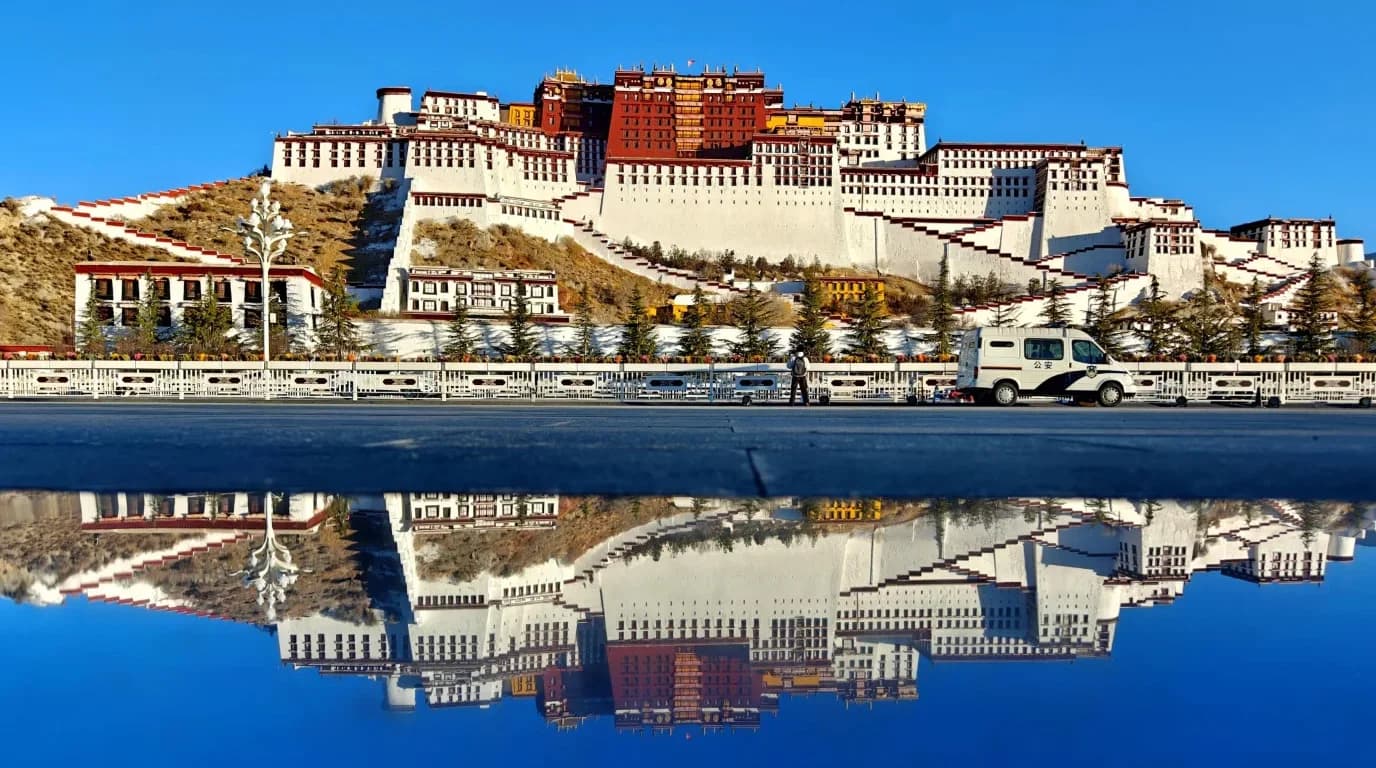
What are the must-visit attractions in Lhasa?
Lhasa must-sees: Potala Palace, UNESCO site; Jokhang Temple with sacred Shakyamuni statue; Barkhor Street for pilgrimage culture; Sera Monastery monk debates.
TibetGo Team
Travel Expert
Lhasa, situated at an altitude of approximately 3,650 meters, is a holy site of Tibetan Buddhism and the first stop for most foreign tourists entering Tibet. The Potala Palace with its red walls and golden roofs, the Jokhang Temple encircled by prayer-wheel corridors, the rising steam in sweet tea houses, and the devout pilgrims performing full-body prostrations along Barkhor Street—all these elements combine to create the unique atmosphere of this holy city in the Land of Snows.
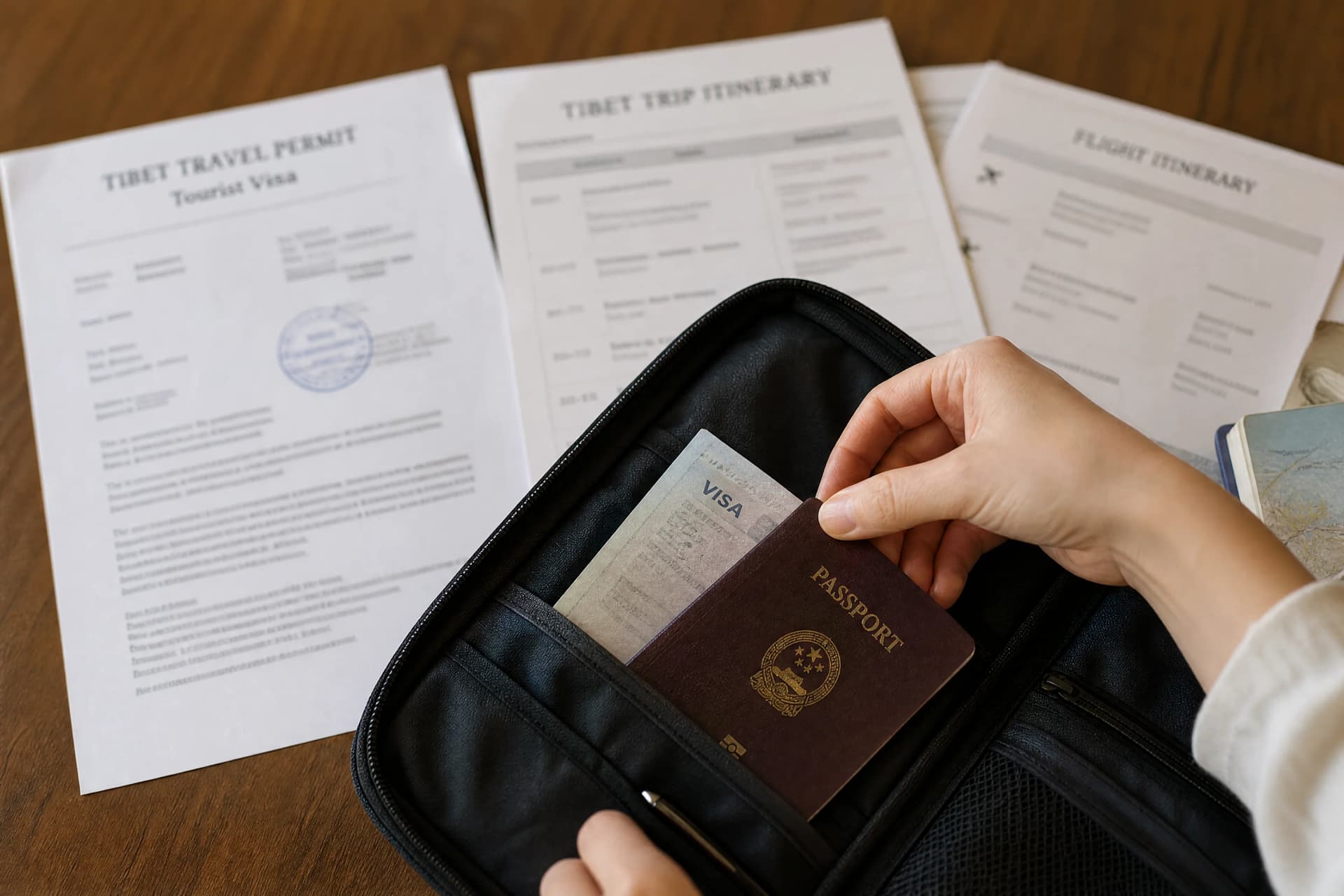
However, for travelers holding foreign passports, a trip to Lhasa differs fundamentally from that of domestic tourists: foreign visitors cannot travel independently. Instead, they must join a tour organized by a qualified local Tibetan travel agency and obtain a "Tibet Travel Permit" (commonly known as the "Tibet Permit") in advance. Whether arriving by plane or train, the original permit is required for boarding. As the permit cannot be applied for individually, it must be arranged through a travel agency; it is recommended to initiate the application process at least 20 to 30 days prior to your trip.
This article is designed for foreign tourists planning a visit to Lhasa. It outlines must-see attractions, ticket information, travel options, important tips, and recommended itineraries, helping you prepare in advance so you can focus your energy on enjoying the scenery itself.
Must-Visit Attractions in Lhasa
1. Potala Palace
A World Cultural Heritage site; a symbol of Lhasa and, indeed, all of Tibet.
This palace complex, built atop Red Hill, once served as the winter residence of successive Dalai Lamas and houses a vast collection of murals, thangkas, and stupas. For many travelers, the moment they stand at the foot of the Potala Palace and gaze up at it is, in itself, the most significant experience of the entire journey.
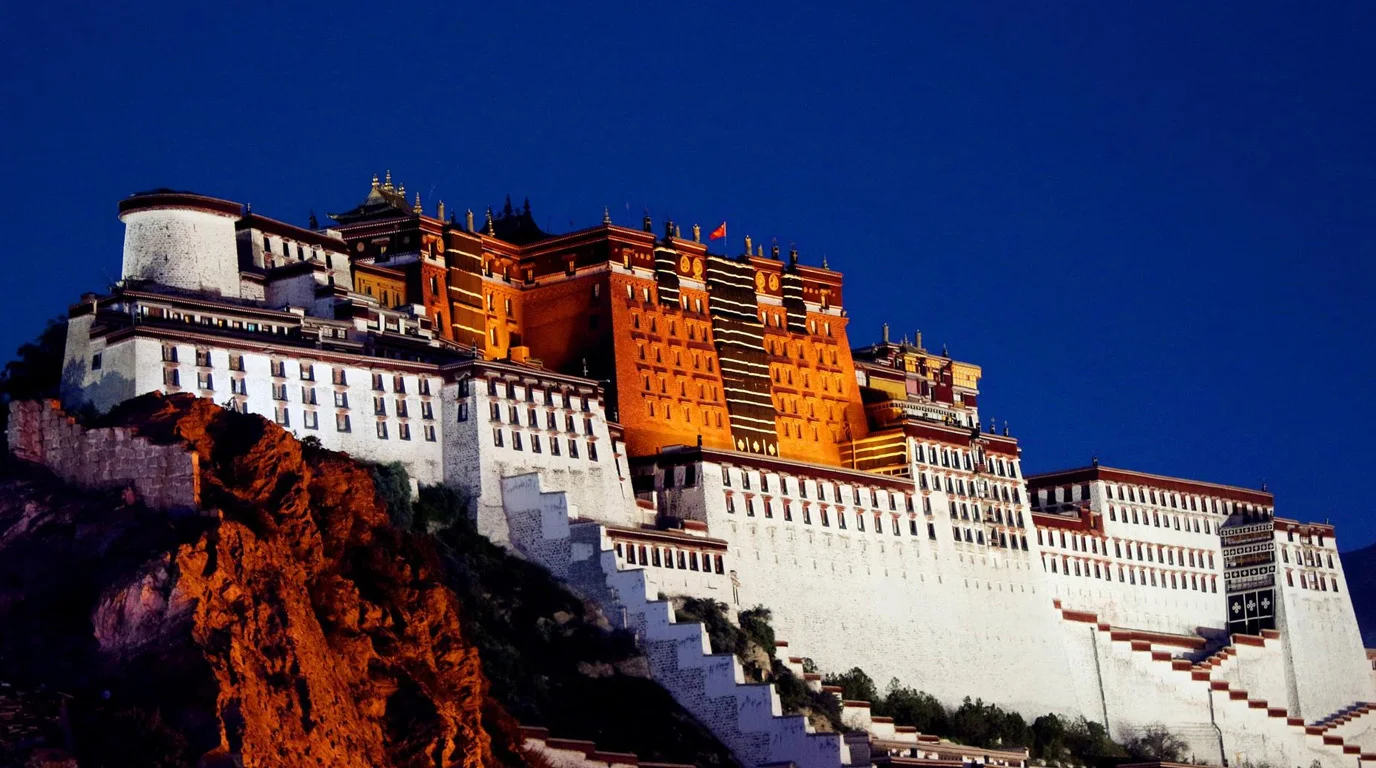
Admission:
Peak season (May 1 – Oct. 31): Line 1 – 200 yuan/person; Line 2 – 100 yuan/person;
Off-season (Nov. 1 – Apr. 30): 100 yuan/person.
Booking Method: Reservations must be made in advance via the "Potala Palace Official Ticketing Reservation System" WeChat Mini Program or the "Potala Palace Official" WeChat official account; tickets are not sold on-site.
How to visit: The tour route is one-way only; there is no backtracking. Follow the designated path throughout the visit. It takes approximately 2–3 hours.
Important notes: The Potala Palace involves climbing a great many steps at high altitude; it is recommended to acclimatize in Lhasa for one or two days before visiting. Once inside the halls, photography, hats, and sunglasses are prohibited, and you should not step on the thresholds. Regarding attire, miniskirts, shorts, revealing clothing (such as low-cut or backless tops), and open-toed sandals are not permitted.
2. Jokhang Temple
At the heart of Tibetan pilgrimage, it enshrines the life-sized golden statue of Shakyamuni at the age of twelve, holding a place of supreme reverence in the hearts of Tibetan Buddhist believers.
In the square in front of the temple, devotees perform full-body prostrations from morning till night, and the air is filled with the scent of butter lamps; it is the most direct place to experience the atmosphere of faith in the Tibetan region.
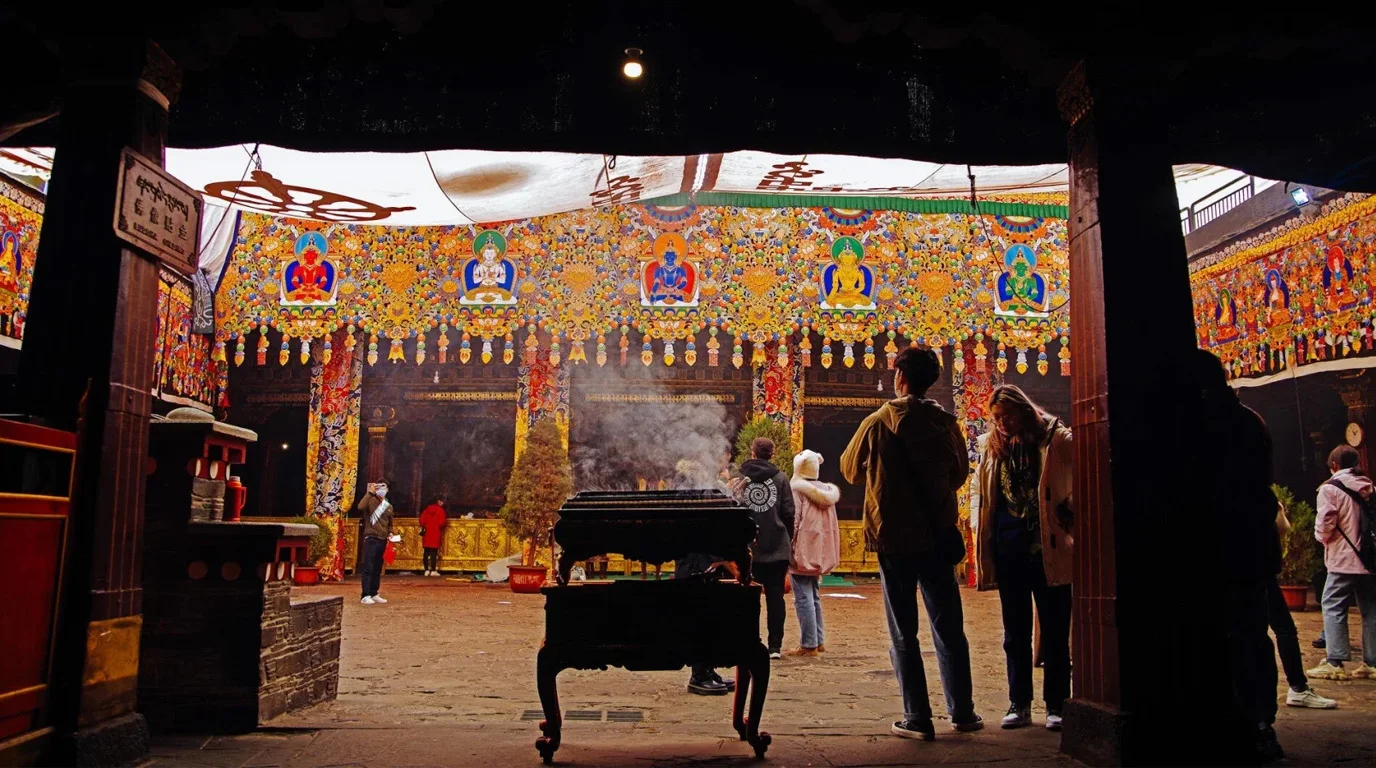
Admission:
85 yuan/person during peak season; 35 yuan during off-season.
How to book: Make a real-name reservation one day in advance via the "Jokhang Temple" (Dazhao Si) WeChat mini-program or official account. Alternatively, you can use third-party platforms; if you require ticket booking services, please contact us at Tibetgo.
Tips for your visit: It is recommended to go in the morning when the lighting is good and the crowds are relatively manageable. Follow the flow of visitors in a clockwise direction as you tour the site.
Important Notes: Photography is strictly prohibited inside the main hall, and touching artifacts or murals is not allowed. The dress code is the same as that for the Potala Palace; hats must be removed. Smoking is prohibited within the temple premises.
3. Barkhor Street
The thousand-year-old prayer circuit encircling the Jokhang Temple is also the place in Lhasa that most vividly captures the local way of life.
A mix of devout pilgrims spinning prayer wheels, shops selling Tibetan handicrafts, thangka studios, and sweet tea houses makes this the perfect place to experience the everyday life of Lhasa.
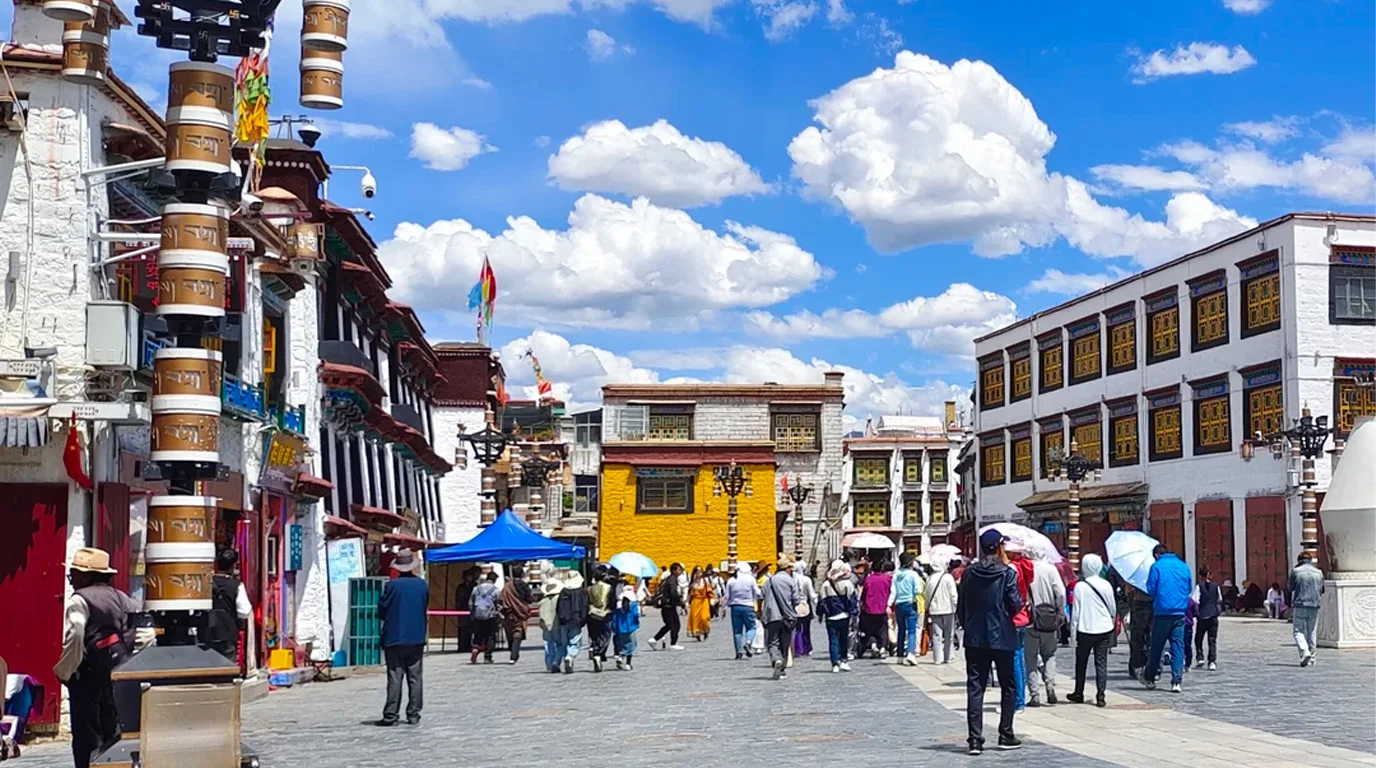
Admission: Free. However, you must present identification to pass through security screening.
How to experience it: Walk one full clockwise circuit along the prayer-wheel path—a journey of about 30 to 40 minutes. If you get tired, simply duck into a sweet tea house and order a pot of sweet tea; its warm, creamy flavor is soothing and can even help alleviate headaches caused by altitude sickness.
Important Notes: Please obtain permission from locals before taking photos, especially when photographing devotees performing full-body prostrations. Do not walk against the flow of traffic on the kora (pilgrimage) path.
4. Sera Monastery
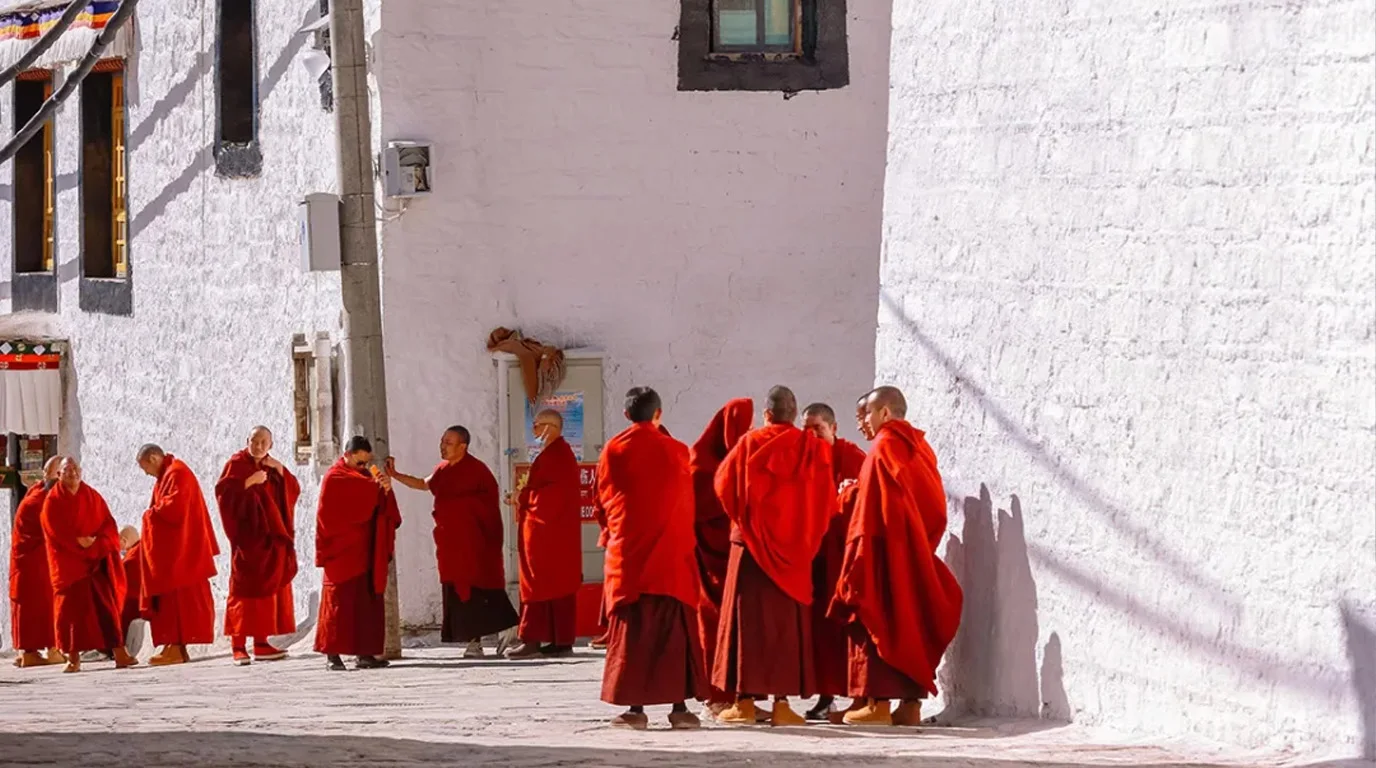
As one of Lhasa's three great monasteries, its main highlight is the daily afternoon monk debate. With the clapping of hands, rapid-fire questioning, and spirited responses, the scene is both dynamic and ritualistic; even if you do not understand Tibetan, the atmosphere is truly captivating.
Admission:
50 yuan per person; tickets can be purchased on-site—no reservation required.
How to experience it: The debate sessions take place from Monday to Saturday, starting at 15:00 and lasting until around 17:00; they are not held on Sundays or special holidays. It is recommended to arrive by 14:30 to stroll around the temple grounds before heading to the debate courtyard on the north side to wait. No separate ticket is required to enter the debate courtyard.
Important Notes: You may take photos during the debate, but please do not use a flash or walk into the center of the debate area and disturb the monks.
5. Tibet Museum
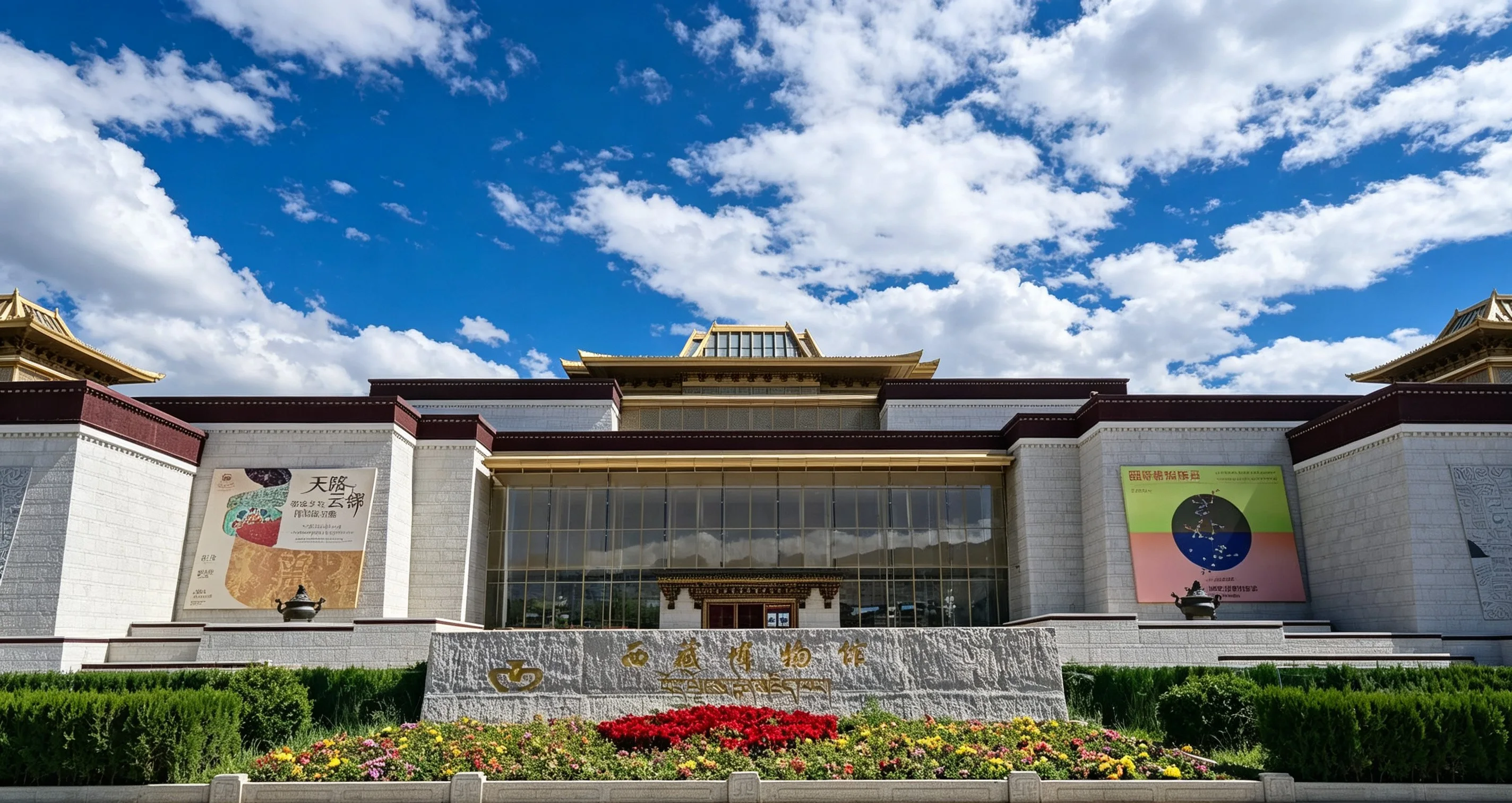
If you want to grasp the historical trajectory of Tibet in a short amount of time, this is the most efficient place to do so.
The collection includes ancient thangkas, gold artifacts from the Tubo Kingdom, and seals of Tibetan kings; the third-floor terrace also offers a view of the Potala Palace in the distance.
Admission:
Free. It is recommended to make a real-name reservation in advance via the "Tibet Museum" WeChat official account and enter using the reservation code or your ID card. Closed on Mondays (except on statutory holidays).
How to visit: Allow 1.5 to 2 hours, focusing on the General History and Thangka exhibition halls. Free guided tours are available multiple times daily; check the on-site schedule for times.
Recommended Routes
3 Days: Highlights of Lhasa City
Suitable for: Travelers with limited time who wish to experience Lhasa city in depth.
Daily Itinerary
Arrival in Lhasa and acclimatization
Potala Palace and Jokhang Temple
Lhasa → Nyainqêntanglha Pass → Namtso Lake → Return to Lhasa
Detailed Itinerary, Content, Pricing, and Recommendations: 3-Day Lhasa Namtso Lake and Potala Palace Tour
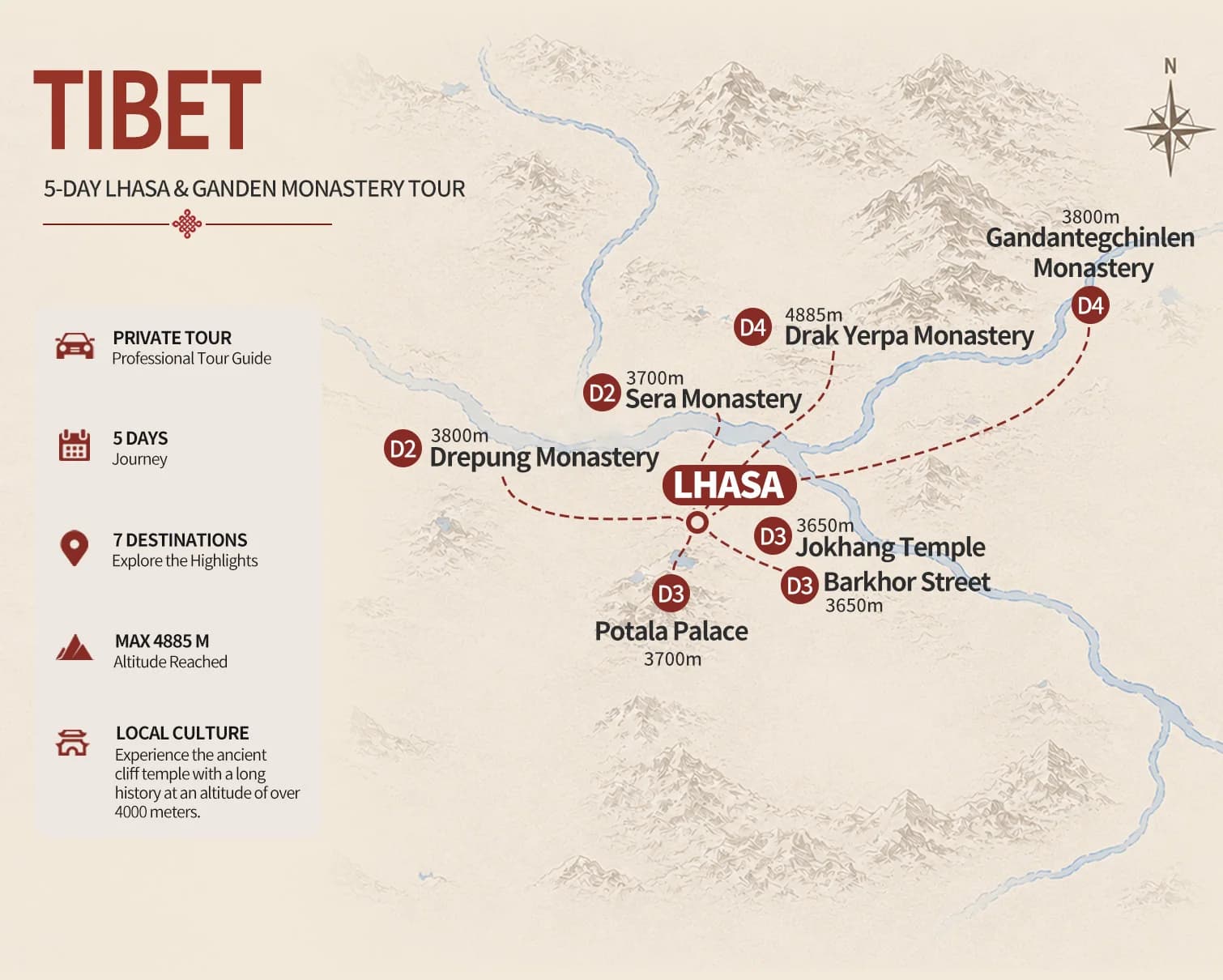
5 Days: Lhasa City & Surroundings
Suitable for: Travelers visiting Tibet for the first time who wish to experience both cultural and natural scenery. This is the classic introductory itinerary for foreign tourists.
Daily Itinerary
Arrival in Lhasa
Drepung Monastery and Sera Monastery
Potala Palace and Jokhang Temple
Drak Yerpa Monastery and Ganden Monastery, or a day trip to Yamdrok Lake
Departure from Lhasa
Detailed Itinerary, Content, Pricing, and Recommendations:
5-Day Lhasa Yamdrok Lake Tibet Tour
5-Day Lhasa Ganden Monastery Tour
7 Days: In-depth Tour of Lhasa
Suitable for: Travelers with good physical stamina who wish to experience a diverse range of Tibetan landscapes. The altitude increases gradually, allowing the body time to acclimatize.
Daily Itinerary
On our Tibetgo travel website, you can choose 7-day itineraries that begin at other destinations in China; we can arrange for you to tour other regions of the country before traveling to Lhasa to experience the unique culture and atmosphere of Tibet.
Detailed Itinerary, Content, Pricing, and Recommendations:
7-Day Kunming and Tibet Cultural Tour with Shigatse
7-Day Xian and Tibet Classic Cultural Tour
Frequently Asked Questions
Q: Can foreign tourists travel to Lhasa independently?
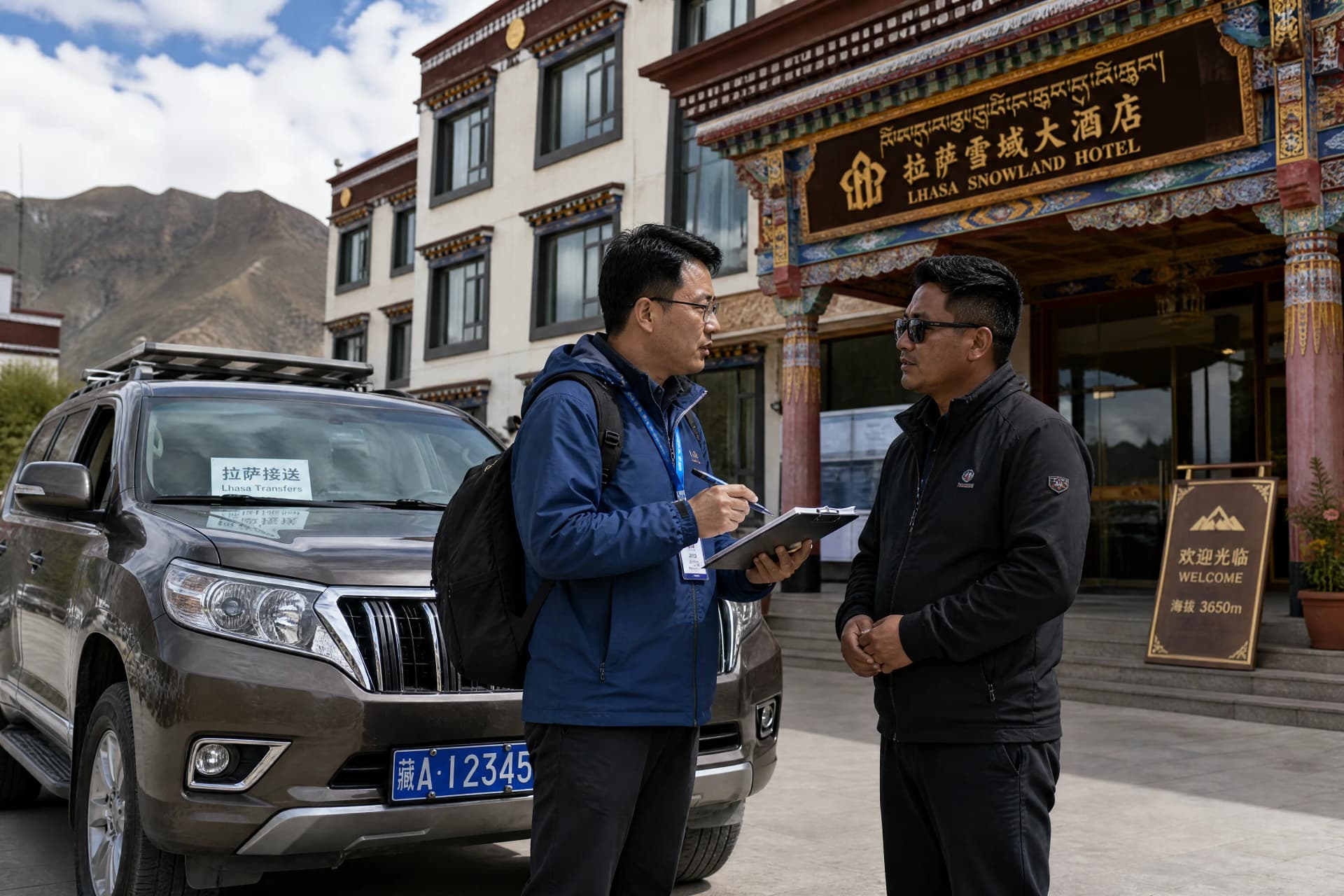
A: No. You must join a tour organized by a qualified local travel agency in Tibet and be accompanied by a tour guide throughout the trip.
Q: How do I obtain the Tibet Entry Permit?
A: It must be arranged through a travel agency; you cannot apply for it yourself. You will need to provide scans of your passport and Chinese visa, as well as your itinerary. It is recommended to apply 20–30 days in advance.
Q: What is required to enter Tibet by plane or train?
A: You must hold the original Tibet Entry Permit to board the plane or train. It is recommended to print at least two copies as backups.
Q: Is altitude sickness severe? What should I do?
A: Most people experience mild headaches and shortness of breath. Avoid bathing, alcohol consumption, and strenuous exercise for the first 48 hours after arrival. Carry glucose and ibuprofen; use supplemental oxygen if you feel unwell, and seek immediate medical attention if symptoms are severe.
Q: Can I bring a drone?
A: Drone flights are prohibited or require special approval in most parts of Tibet. It is recommended not to bring one; if you truly need to, please confirm with your travel agency in advance.
How to start planning
Send TibetGo your nationality, travel dates, first entry city and route idea before buying non-refundable transport. If you are undecided between a Lhasa introduction, an Everest itinerary, Mount Kailash or a Lhasa–Kathmandu overland trip, say so. The right answer may be to change the route before applying for documents.
You can begin through the [custom Tibet tour planning page](/custom-tour) or the [contact page](/contact). For current route options, compare the [Tibet tour collection](/tours) and the related permit guide before sending your documents.