Can You Book Your Own Hotels and Transport in Tibet?
Learn what can be customized in Tibet and why hotels, vehicles, guides, permits and route changes must remain coordinated.
TibetGo Team
Travel Expert
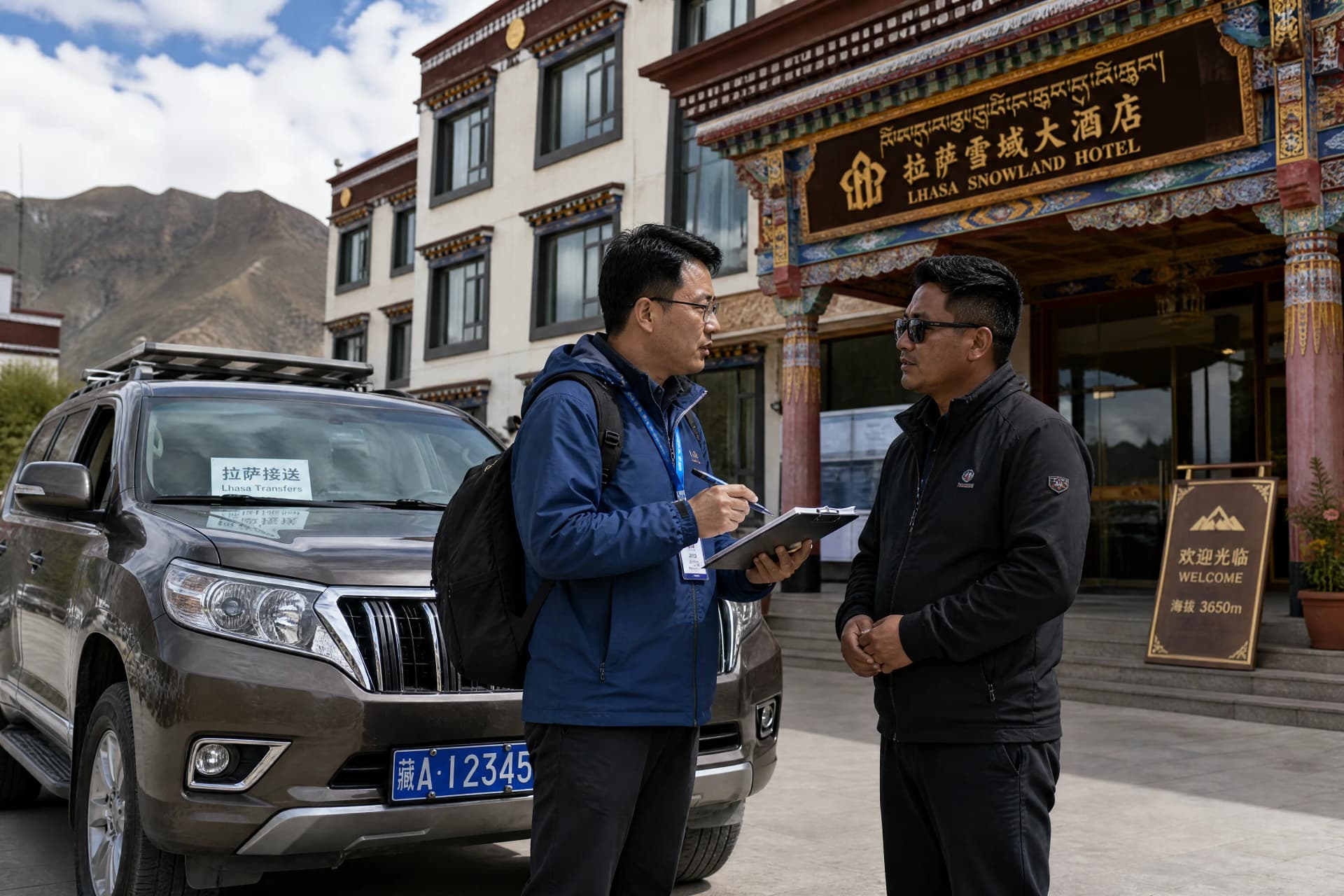
Many travelers begin planning Tibet with a familiar idea: book a hotel, reserve a vehicle and decide the next stop along the way. That approach can work in some destinations. For most international visitors to Tibet, it is not the safest assumption.
The issue is not that travelers have no choices. Private trips, small groups, hotel preferences, slower days and photography stops can often be discussed. The issue is that the permit, guide, vehicle, accommodation and route permissions may be connected. Changing one part without checking the others can create a problem at a transport checkpoint or in a restricted area.
This guide explains what can usually be discussed with an operator, what should stay coordinated and how to customize a trip without losing control of the practical details.
Why independent booking works differently in Tibet
For most foreign visitors, Tibet travel is arranged through a qualified local operator. The operator coordinates the approved itinerary, guide, vehicle, hotels and documents required for the route.
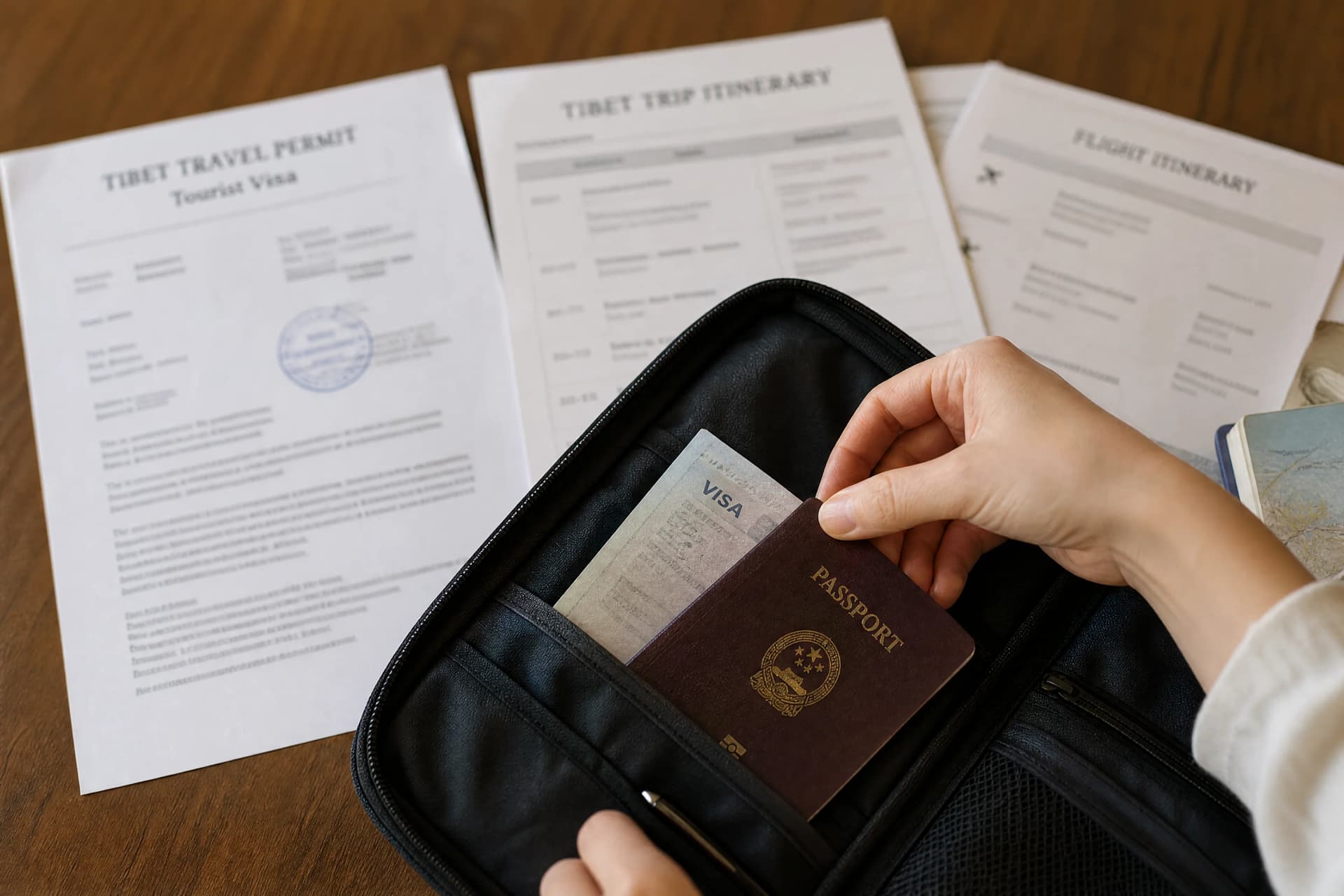
The Tibet Travel Permit is not a general pass for unlimited independent travel. It is connected to the journey that was checked and arranged for you. Depending on the destination, local transport, guide presence, hotel records and additional permits may all matter.
That does not mean your trip must feel rigid. It means flexibility works best when it is agreed before documents and bookings are finalized.
What can you usually customize?
Travelers can often discuss:
private or small-group travel;
hotel category and room preferences;
slower or faster daily pacing;
extra time in Lhasa;
photography stops;
cultural experiences;
vegetarian or special meal requests;
start and end cities;
adding or removing destinations while the route is still being planned.
The exact options depend on current access rules, transport, accommodation availability and the route’s altitude profile.
Why vehicle arrangements matter
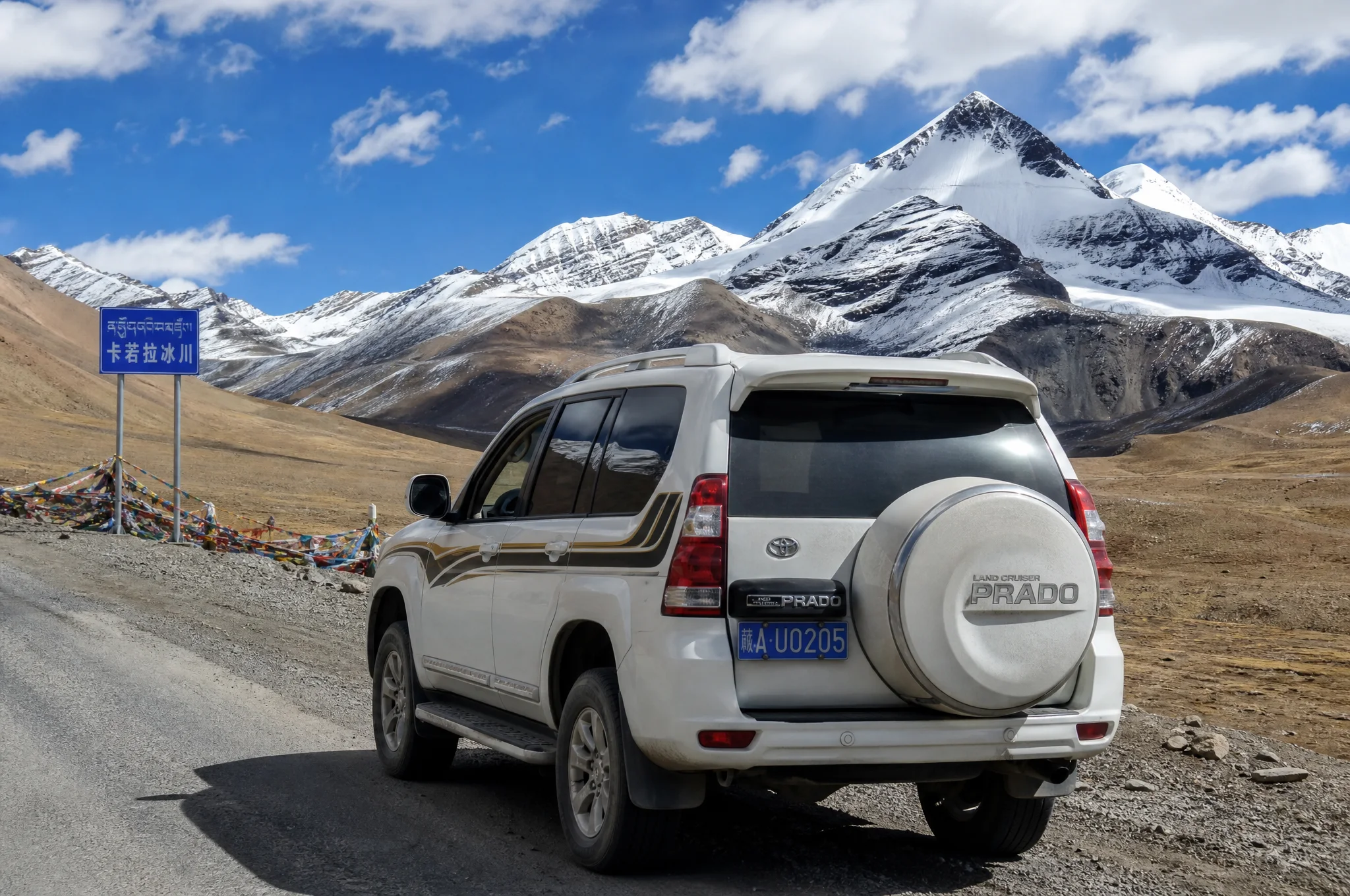
A Tibet overland route is not simply a series of map pins. The vehicle, driver, guide, road conditions, fuel, weather and altitude all affect the day.
On routes to Shigatse, Everest or Mount Kailash, the operator needs to understand how long the drive takes, where travelers sleep, which roads are approved and what support is available if the plan changes. An unrelated vehicle booked online may not fit the permit or route requirements.
Ask whether the quotation includes:
the vehicle type;
a dedicated driver;
a licensed or qualified guide;
fuel and road costs;
oxygen support where applicable;
luggage capacity;
border transfer;
a replacement or contingency plan.
Why hotel changes can affect the route
Changing a hotel may look harmless. On a long overland itinerary, it can alter the driving distance, arrival time, local registration, next-day departure and sleeping-altitude plan.
This matters even more when the route includes Everest, Namtso, Mount Kailash or a border area. A hotel may have been selected because it fits the day’s road conditions or because it is the practical place to sleep before a higher section.
If you prefer a different hotel, ask before the operator submits or confirms the route. Give the operator your priorities: a private bathroom, a quieter room, a higher hotel category, a central location or a lower-altitude overnight stop. The operator can then tell you which preferences are realistic.
Can you book hotels yourself?
Do not assume that you can replace all arranged hotels with independent bookings after the permit process begins. International visitor arrangements may depend on the approved itinerary and service file.
If you wish to select your own hotels, please make this request at the very beginning. Ask your travel agency the following questions to determine if your preferred hotels are suitable:
whether the hotel is acceptable for the route;
whether it can provide the necessary booking record;
whether it changes the transport plan;
whether it affects the quotation or cancellation terms;
who is responsible if the hotel cannot honor the booking.
A good operator should answer these questions directly instead of treating every hotel as interchangeable.
Can you hire a vehicle after arriving?
Foreign visitors should not assume that they can arrive in Lhasa and arrange an unrelated vehicle for Everest, Kailash or a border area. The route may require a coordinated guide, vehicle and permit arrangement.
If your plans change after arrival, contact the operator before hiring transport. The operator can check whether the destination is open, whether the route is permitted and whether the new vehicle and guide arrangement meet the current requirements.
Private tour does not mean no rules
Private travel gives you more control over pace, company and preferences. It does not remove permit, border, route or transport requirements.
A private group may still need:
an approved itinerary;
an authorized guide;
an appropriate vehicle;
route-specific documents;
a fixed first entry city; and
current confirmation for restricted destinations.
The benefit of a private tour is that the plan can be designed around your group, not that every rule disappears.
How to customize before documents are submitted
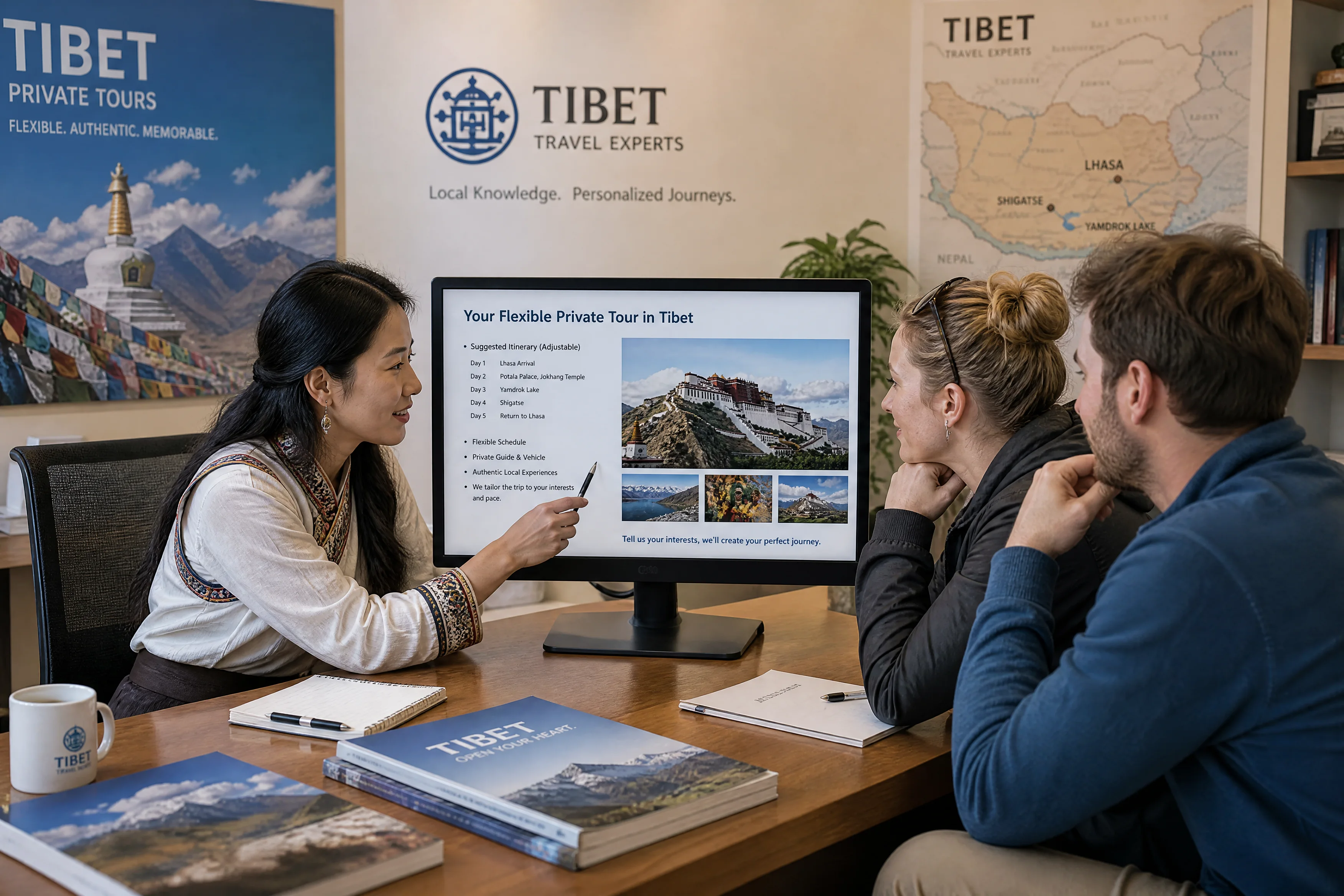
The easiest time to make changes is before the application and final bookings. Send the operator a clear list of priorities:
“We want two quiet days in Lhasa before driving higher.”
“One traveler needs a private bathroom.”
“We want sunrise photography at Yamdrok Lake.”
“We prefer a shorter driving day even if it removes one stop.”
“We want to finish in Nepal instead of returning to Lhasa.”
Specific requests are easier to assess than a general request for a “flexible tour.” The operator can then explain the trade-offs in time, cost, altitude and permits.
What happens when you need to change the route?
Contact the operator before changing:
the first entry city;
travel dates;
hotel sequence;
vehicle;
route order;
Everest or Kailash access;
border crossing;
restricted-area destinations.
Some changes may be simple. Others may require a new check, new document, different hotel, revised transport or a different route altogether.
Do not rely on a driver or hotel employee to approve a route change that belongs to the operator and local authorities.
What should be written in the quotation?
A professional quotation should make the responsibility clear. Check:
whether the tour is private or shared;
group size and vehicle type;
guide language and service scope;
hotel category and room arrangement;
included meals and entrance tickets;
permit and border-document handling;
oxygen support where applicable;
optional activities and personal costs;
cancellation and non-refundable terms;
what happens if a route closes.
If the quotation only lists attractions and a total price, ask for more detail before paying.
Independent planning mistakes to avoid
Booking a cheaper vehicle separately
The vehicle may not fit the route, permit or support requirements.
Changing hotels after submission
The new hotel may affect the route file and next day’s driving plan.
Adding a remote destination from a social post
The place may be closed, restricted or unavailable to foreign visitors.
Treating a private tour as a self-drive trip
Foreign visitors should not assume they can self-drive on a Tibet itinerary.
Asking for flexibility without explaining priorities
Tell the operator which matters most: comfort, time, photography, culture, budget or a lower-altitude pace.
Who benefits most from a custom trip?
Custom planning is especially useful for:
families with different fitness levels;
older travelers who need a slower route;
photographers who need specific light and stops;
pilgrims planning a Kailash journey;
travelers combining Tibet with Nepal;
travelers entering by train and leaving by air; and
visitors who need a particular hotel or dietary arrangement.
The operator can design around the group while keeping the permit, transport and route details consistent.
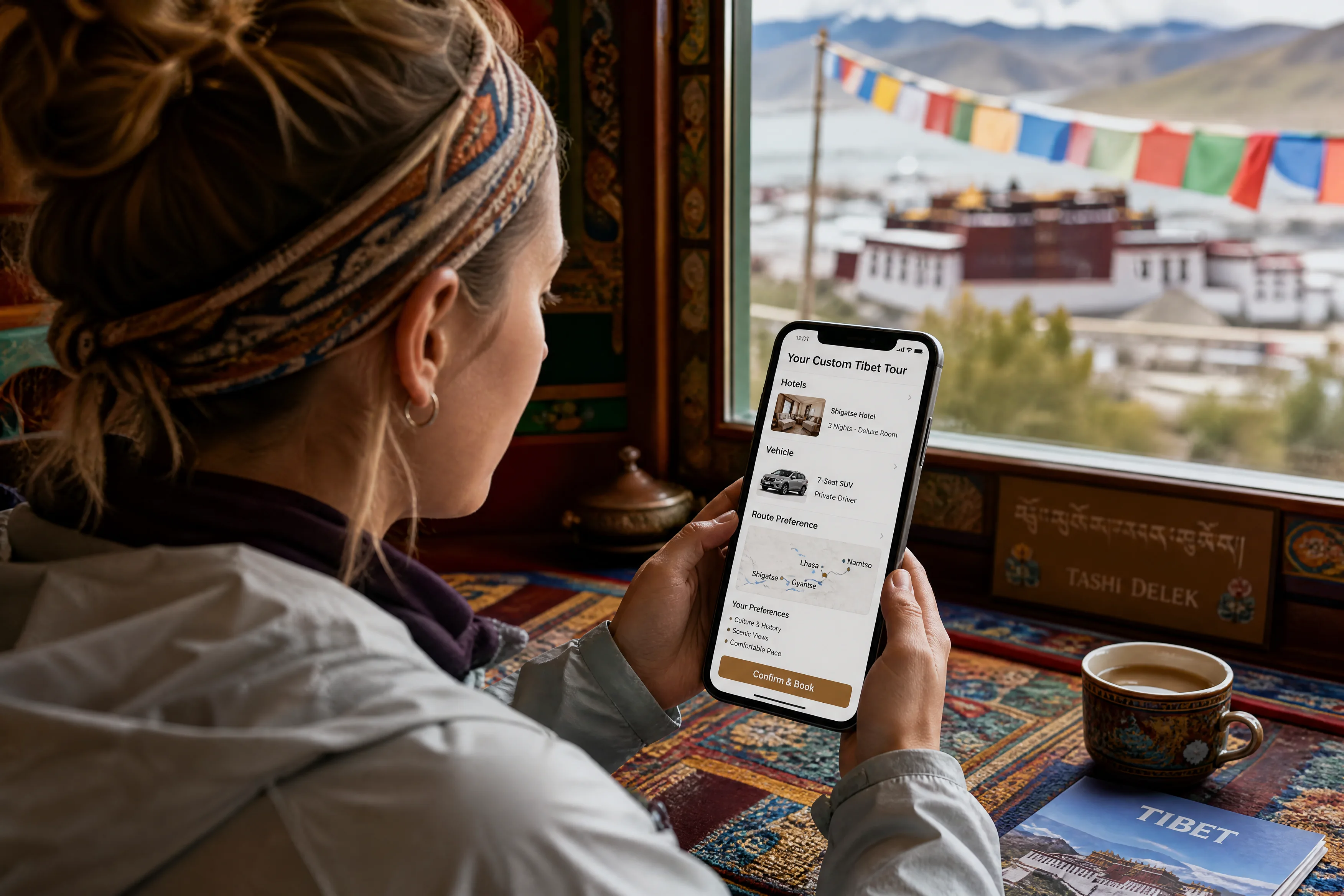
Questions to ask before booking
Which parts of this itinerary are fixed by the permit process?
Can I choose or upgrade the hotels?
What vehicle and driver are included?
Can the first entry city change after submission?
What happens if I need to change one hotel?
Who coordinates remote-area or border permissions?
What happens if weather closes a road?
Which costs become non-refundable after changes?
Is a private guide included throughout the route?
Who is responsible for emergency changes?
Send your preferences through the [custom Tibet tour page](/custom-tour) or [contact page](/contact). You can also compare the current [Tibet tours](/tours) before deciding how much customization you need.
Final advice
The best Tibet itineraries are flexible in the right places and firm in the places where permits, roads, altitude and borders require coordination.
Choose your priorities early, tell the operator what matters to you, and ask for every important inclusion and limitation in writing. That gives you real control over the trip without creating an avoidable problem for the guide, driver or document process.
Travel Recommendations:
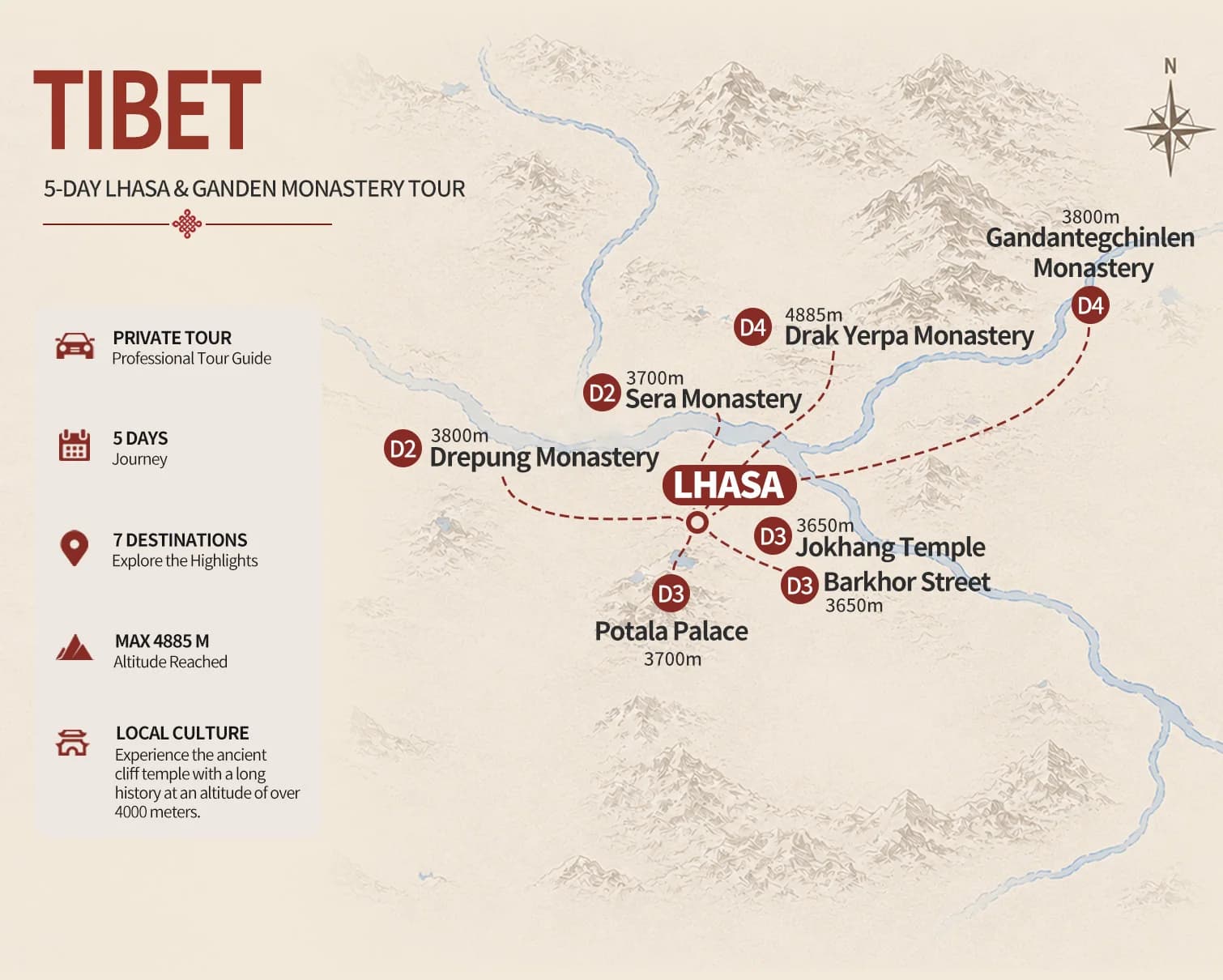
5-Day Lhasa & Ganden Monastery Tour
3-Day Lhasa and Namtso Lake Tour with Potala Palace
Articles related to Tibet travel permits:
Tibet Travel Permit: A Practical Guide to Eligibility, Documents and Entry Planning
How to Apply for a Tibet Travel Permit: Step-by-Step Checklist
> Travel notice: Permit, route, border, transport, hotel and access requirements may change. This guide is planning information, not legal advice. Confirm the current arrangement for your itinerary before travel.